





TRUSTED BY THE SMARTEST TEAMS IN THE WORLD FOR CERTIFIED CANDIDATES
SPOTO Blogs
Useful learning materials to become certified IT personnel
-
- 1155
- Emma
- 2025-05-23 12:06
-

- 1241
- Emma
- 2025-05-22 12:09
-

- 1328
- Emma
- 2025-05-20 12:51
-
- 1441
- Emma
- 2025-05-07 09:42
-
- 788
- Emma
- 2025-05-06 14:45
-

- 1994
- circle
- 2025-03-04 15:38
-

- 1684
- circle
- 2025-02-21 15:39
-

- 1531
- circle
- 2025-02-17 10:00
-

- 8297
- circle
- 2025-02-14 15:03

TRUSTED BY THE SMARTEST TEAMS IN THE WORLD FOR CERTIFIED CANDIDATES
SPOTO Blogs
Useful learning materials to become certified IT personnel
-
- 1155
- Emma
- 2025-05-23 12:06
Table of Contents1. An Overview of Software Developer2. The Details3. Why become a Software Developer?4. 5 Steps To Becoming a Software Developer?5. The Final Word: Why SPOTO?Conclusion Embarking on a career as a software developer can be both exciting and rewarding. With technology transforming every aspect of our lives, developers are in high demand and enjoy lucrative salaries, job stability, and endless opportunities for growth. If you're contemplating this path but unsure where to start, you're in the right place. This guide will walk you through the essentials — from the skills you need to learn and the career opportunities, to practical steps to kickstart your journey 1. An Overview of Software Developer Software development involves designing, coding, testing, and maintaining applications or systems that solve real-world problems. Whether it's mobile apps, web platforms, or AI-driven tools, developers bring digital solutions to life. Currently, software development is one of the largest and fastest-growing tech sectors, making it a smart choice for those seeking a dynamic, future-proof career. According to recent data, over a quarter of all tech jobs are software development roles, with increased demand forecasted through 2033. The median annual salary is impressive — around $120,730 — significantly higher than the national average, reflecting the value and expertise developers bring to organizations. 2. The Details Key Skills Software Developers Need To Learn In today's competitive landscape, technical proficiency combined with soft skills is essential. Here's a snapshot: Technical Skills: Programming languages: Java, Python, C#, JavaScript, etc. Web development: HTML, CSS, React Version control: Git Database management: SQL Software methodologies: Agile, DevOps Soft Skills: Problem-solving & analytical thinking Effective communication Team collaboration Creativity and adaptability Business acumen To master these skills, SPOTO provides tailored courses covering programming languages, cloud computing, cybersecurity, and more — ensuring you're industry-ready. Related Job Opportunities Beyond conventional developer roles, expanding your skills opens doors to titles like: Full-stack Developer Mobile App Developer DevOps Engineer Data Scientist Cybersecurity Analyst More versatile skill sets mean broader career paths and higher earning potential. 3. Why become a Software Developer? Salary and Job Outlook With a median salary exceeding $120K, software development offers financial stability and growth. The industry is projected to grow exponentially, driven by digital transformation, IoT, AI, and cloud technologies. The ability to adapt and learn new skills ensures you’ll remain relevant and in demand. Career Growth and Job Stability Starting as a junior developer, you can ascend to senior, lead, or architect roles. Geographic mobility, remote work options, and the proliferation of startups ensure ongoing job opportunities. Continuous upskilling, via certifications and courses like those from SPOTO, helps you climb the career ladder faster and secure long-term stability. Diverse Challenges and Opportunities for Growth Every project presents unique challenges—whether optimizing algorithms, designing scalable systems, or securing applications against cyber threats. Such complexity fuels continual learning and innovation, making software development a stimulating and fulfilling career. 4. 5 Steps To Becoming a Software Developer? Ready to start? Follow these five proven steps: Step 1: Define Your Goals Identify your specific interests within software development, such as web, mobile, or AI development. Clarifying your goals will help you tailor your learning path and focus your efforts effectively. Step 2: Build Your Foundations Start by learning fundamental programming languages like Python, JavaScript, or Java, and grasp core concepts such as algorithms, data structures, and syntax. Strong foundations are essential for advanced skills. Step 3: Gain Hands-On Experience Engage in practical projects, participate in coding challenges, or contribute to open-source communities. Real-world experience and a diverse portfolio significantly enhance your attractiveness to employers. Step 4: Network Strategically Join online developer communities, attend industry meetups or webinars, and connect with professionals on platforms like LinkedIn. Building a network opens doors to job opportunities and mentorship. Step 5: Apply for Jobs & Continue Learning Tailor your resume, prepare for interviews, and keep updating your skills. Certifications like AWS Certified Developer Associate, available through SPOTO's courses, greatly boost your employability. 5. The Final Word: Why SPOTO? Getting started is easier with the right training partner. SPOTO offers comprehensive, up-to-date courses developed by industry experts, providing practical skills and certification prep to help you stand out. Whether you're a beginner or an experienced developer aiming for specialization, SPOTO's courses are your launchpad for success. Conclusion Becoming a software developer in 2026 isn't just a dream — it's an attainable goal with the right plan, skills, and resources. The industry offers excellent earning potential, career stability, and opportunities to work on innovative projects. Remember, continuous learning is key — leverage platforms like SPOTO to remain ahead of the curve. Embark on your coding journey today. The future of tech awaits you! -
- 1241
- Emma
- 2025-05-22 12:09
Table of Contents1. An Overview of Enterprise Architect2. The Details3. Why become an Enterprise Architect?4. How to start a career as an Enterprise Architect?5. Conclusion 1. An Overview of Enterprise Architect In today's complex technological landscape, businesses are continually evolving, integrating new systems, data, and processes to stay competitive. At the heart of this digital transformation is the Enterprise Architect (EA). This strategic role acts as a bridge between business needs and technology solutions, ensuring that an organization's IT infrastructure aligns seamlessly with its overarching goals. But what exactly does an Enterprise Architect do, and how can you embark on this promising career path? 2. The Details Required Skills and Traits for an Enterprise Architect An Enterprise Architect is a multifaceted professional tasked with designing, planning, and overseeing a company's entire IT ecosystem. To succeed, they need a blend of technical expertise, strategic insight, and interpersonal skills. Core Skills and Traits Technical Proficiency: Deep understanding of IT infrastructure, cloud computing, cybersecurity, software development, and data management. Strategic Thinking: Ability to see the big picture, align IT initiatives with business objectives, and anticipate future technological trends. Communication Skills: Explaining complex technical solutions to non-technical stakeholders and fostering collaboration. Problem-Solving: Quickly addressing and resolving architectural issues that could impede business functions. Leadership and Influence: Guiding cross-functional teams and influencing decision-makers to adopt innovative solutions. Adaptability: Staying current with rapidly evolving tech trends and adjusting strategies accordingly. Related Roles If you find yourself drawn to roles that blend business and tech but aren't ready to become an EA, consider positions like: Solution Architect Business Analyst IT Strategist Each offers pathways for growth and specialization within the enterprise ecosystem. 3. Why become an Enterprise Architect? Salary and Job Outlook The demand for Enterprise Architects is soaring as businesses undergo digital transformation. According to industry reports, average salaries for EAs range from $120,000 to over $180,000 annually, depending on location and experience. The role's strategic importance ensures high compensation alongside job security. Career Growth and Job Stability As organizations grow more dependent on technology, EAs are increasingly seen as essential leadership figures. Moving into senior management, CIO, or CTO roles is a natural progression—consolidating both technical expertise and strategic influence. Moreover, the stable nature of the role offers resilience against economic fluctuations. Diverse Challenges and Opportunities for Growth Every enterprise has unique challenges—from legacy systems to integrating cutting-edge technologies like AI and IoT. Embracing these diversity of problems makes the role dynamic and intellectually stimulating. Continuous learning, certification, and cross-disciplinary exposure foster ongoing growth, presenting opportunities to specialize in cybersecurity architecture, cloud strategy, or data governance. 4. How to start a career as an Enterprise Architect? Embarking on this career requires a combination of education, experience, and continuous self-improvement: Obtain a Strong Educational Foundation Most successful EAs hold a bachelor's degree in Computer Science, Information Technology, or Systems Engineering. An advanced degree such as an MBA or a Master's in IT Management further enhances strategic thinking and leadership skills. Gain Relevant Experience Moving into an EA role typically necessitates years of experience in IT roles—systems analysis, infrastructure management, or software development. Building broad expertise across various domains equips you with the versatile knowledge needed to design comprehensive architectures. Obtain Certification and Develop Soft Skills Earning industry-recognized certifications such as AWS Certified Solutions Architect Professional or PMI's Project Management Professional (PMP) showcases your technical credibility and solid understanding of enterprise operations and cloud architecture. Simultaneously, cultivating soft skills such as stakeholder management, negotiation, and strategic planning remains crucial for effective leadership. These combined technical and interpersonal skills position you as a well-rounded professional capable of guiding enterprise technology initiatives. Build a Portfolio of Projects Hands-on experience, especially leading cross-departmental initiatives, positions you as a competent architect. Seek opportunities to influence technology decisions and participate in strategic planning. Continuous Learning Stay informed about emerging tech trends—AI, blockchain, cloud computing—and earn relevant certifications. Networking through industry conferences and professional groups nurtures growth and keeps you ahead of the curve. 5. Conclusion The role of an Enterprise Architect sits at the intersection of technology and business strategy, making it both a challenging and rewarding career. With organizations investing heavily in digital transformation, skilled EAs are more crucial than ever—not only for optimizing technology landscapes but also for shaping the future of enterprise innovation. If you possess a blend of technical expertise, strategic vision, and leadership qualities, stepping into the world of enterprise architecture could be your next exciting move. Through continuous learning, experience, and certification, you can position yourself as a pivotal figure in the digital age. Ready to take the leap? Start by enhancing your skills today, and prepare to lead your organization into its digital future with confidence and clarity. -
- 1328
- Emma
- 2025-05-20 12:51
Table of Contents1. Introduction2. What is a DevOps Engineer?3. How to Become a DevOps Engineer?4. Why become a DevOps Engineer?5. Conclusion 1. Introduction In today's fast-paced tech landscape, delivering software quickly, reliably, and efficiently is paramount. That’s where DevOps comes into play—a revolutionary approach that bridges the gap between development and operations. Whether you're a complete beginner or an aspiring tech pro, this guide will walk you through becoming a DevOps hero, with a special focus on the sought-after AWS DevOps Engineer Professional certification. 2. What is a DevOps Engineer? A DevOps engineer acts as the linchpin in modern software development. They foster collaboration between development (Dev) and operations (Ops) teams, automating processes, managing infrastructure, and ensuring continuous integration and delivery (CI/CD). Unlike traditional roles, DevOps engineers require a multidisciplinary skill set including coding, system administration, automation, and a deep understanding of cloud platforms. Core responsibilities include Building and maintaining CI/CD pipelines Automating deployment processes Managing cloud infrastructure (AWS, Azure) Monitoring systems for reliability and performance Ensuring security and compliance throughout the delivery pipeline In essence, a DevOps engineer helps organizations innovate faster without compromising stability—a crucial trait in the competitive tech arena. 3. How to Become a DevOps Engineer? Build Foundational Skills Start with programming (Python, Java) and scripting to automate tasks. Learn Linux basics for server management. Understand CI/CD pipelines and version control. Familiarize yourself with cloud platforms (AWS, Azure, or Google Cloud) and containerization. Master Core DevOps Tools & Practices Dive into configuration management and infrastructure as code. Study monitoring/observability tools (Prometheus, Grafana) and logging systems (ELK Stack). Embrace Agile methodologies for collaborative development. Gain Hands-On Experience Build a personal project (e.g., deploy a web app with CI/CD). Use free cloud tiers (AWS Free Tier) to practice provisioning resources via IaC. Contribute to open-source projects or join DevOps communities (Stack Overflow, DevOps Reddit) to solve real-world problems. Pursue Relevant Certifications Earn AWS Certified DevOps Engineer and Google Cloud Professional DevOps Engineer. For tool-specific skills, consider Jenkins Certification or HashiCorp Certified: Terraform Associate. Certifications validate expertise and enhance job prospects. Specialize & Stay Updated Choose a niche (cloud-native, security, or monitoring) and deepen skills. Follow industry blogs and attend webinars/conferences (DevOps Days). Network with peers on LinkedIn or Twitter to stay ahead of trends like AI-driven automation. Apply for Entry-Level Roles Target junior DevOps engineer or SRE (Site Reliability Engineer) roles. Highlight projects and certifications in your resume. Prepare for interviews by practicing tool demonstrations and explaining DevOps principles. 4. Why become a DevOps Engineer? As organizations strive to optimize software development and operational workflows, the demand for DevOps Engineers continues to surge, particularly those proficient in AWS. The AWS DevOps Engineer certification equips professionals with expertise in automating processes and managing cloud infrastructure, positioning them as sought-after assets in today's tech landscape. Certified AWS DevOps Engineers can explore a range of rewarding roles: DevOps Engineer: Oversees the implementation of CI/CD pipelines, automates software deployments, and ensures system reliability through cloud-native tools. Systems Administrator: Manages the day-to-day operations of cloud environments, focusing on performance optimization, security, and seamless functionality. Cloud Engineer: Designs scalable, cost-efficient cloud solutions on AWS, leveraging services like EC2, ECS, and CloudFormation to meet business objectives. Site Reliability Engineer (SRE): Enhances system resilience and performance by integrating automation, monitoring, and incident management strategies. Salaries for AWS DevOps Engineers reflect the high market demand for their specialized skills. Typical earnings include: DevOps Engineer: $95,000–$130,000 annually, driven by expertise in automation and pipeline management. Systems Administrator: $80,000–$110,000 per year, reflecting responsibilities in cloud operations and security. Cloud Engineer: $100,000–$135,000 annually, with premiums for designing scalable AWS architectures. Site Reliability Engineer (SRE): $105,000–$140,000 per year, recognizing expertise in reliability engineering and advanced monitoring. Work on Cutting-Edge Technologies Get hands-on experience with AI Ops, serverless, Kubernetes, and more. Impactful Work Improve deployment efficiency, system reliability, and security, making a tangible difference in business success. Related Jobs: Cloud Engineer Automation Engineer Infrastructure Engineer Site Reliability Engineer (SRE) 5. Conclusion Embarking on your journey from zero to DevOps hero might seem daunting, but with persistence, continuous learning, and certification, it’s entirely achievable. Focus on mastering automation and cloud services—especially AWS—and earn your AWS Certified DevOps Engineer - Professional credential. This not only elevates your skill set but also opens doors to a vibrant, high-demand career with rewarding compensation. Remember, DevOps is about cultivating a mindset of collaboration, automation, and continuous improvement. Start today, and watch yourself become part of the technological vanguard shaping the future of software delivery! Ready to begin? Dive into AWS tutorials, enroll in training courses, and start experimenting with cloud projects. Your DevOps hero journey awaits! -
- 1441
- Emma
- 2025-05-07 09:42
Table of Contents1. Overview of AWS Professional Certifications2. AWS Professional Certifications Breakdown3. Benefits of AWS Professional Certifications4. How to Prepare for AWS Professional Certifications5. Conclusion AWS certifications are among the most sought-after skills in the IT industry, and the AWS professional-level certifications are advanced credentials designed to validate in-depth expertise in AWS services. Earning one demonstrates your profound knowledge and hands-on experience in the field. However, it is recommended to pursue these certifications only after gaining at least 6 years of AWS experience to align with your career progression. 1. Overview of AWS Professional Certifications AWS Professional Certification is specifically designed for IT professionals with extensive hands-on AWS experience. And AWS Professional Level Certifications offer two distinct specialization paths: AWS Certified Solutions Architect Professional Certification (SAP-C02) AWS Certified DevOps Engineer Professional Certification (DOP-C02) 2. AWS Professional Certifications Breakdown AWS Certified Solutions Architect Professional Certification (SAP-C02) For candidates who have passed the Solutions Architect Associate exam, pursuing this professional-level certification is recommended to advance their expertise as a solutions architect. The assessment rigorously evaluates comprehensive mastery and in-depth application of all AWS services. Without hands-on project experience or practical training, passing this certification proves exceptionally challenging. Key Skills Validated: Requires a minimum of 2 years of hands-on experience in AWS design and architecture Demonstrates advanced cross-service integration capabilities across multiple AWS services AWS Certified DevOps Engineer Professional Certification (DOP-C02) The AWS Certified DevOps Engineer Professional Certification (DOP-C02) is specifically designed for IT professionals with advanced DevOps expertise and AWS cloud operations capabilities. Key Skills Validated: Minimum two years of hands-on experience in operating and maintaining AWS environments Familiarity with contemporary development and operations practices and methodologies Proficiency in coding with at least one programming language Practical experience in automating cloud infrastructure deployment Capability to configure metrics collection, logging systems, and monitoring solutions on AWS 3. Benefits of AWS Professional Certifications High-Value Credential The AWS professional-level certifications are among the most recognized credentials in the cloud computing industry, validating your expertise in designing, optimizing, and managing complex AWS architectures. Competitive Edge in Hiring Many companies explicitly require or prioritize candidates with professional certifications when recruiting for roles such as DevOps engineers or senior solutions architects. Salary Increase Professionals holding AWS Professional certifications earn 20%-30% higher salaries on average compared to their non-certified peers. In some regions, annual compensation can reach 150,000–200,000. Also, many employers offer additional bonuses or raises to certified employees as a recognition of their expertise. Personal Learning & Networking The certification preparation process compels you to identify and fill knowledge gaps, helping you build a comprehensive AWS expertise framework. Also, upon certification, you gain access to AWS-exclusive events, forums, and resources, enabling valuable industry networking opportunities. Enhanced Organizational Value Certain AWS Partner Network programs require companies to employ professionally certified staff to qualify for technical support or business incentives. Therefore, during cloud project bidding, the number of certified professionals on a team often serves as a key evaluation metric for technical competency. 4. How to Prepare for AWS Professional Certifications Understand Exam Blueprint Begin by reviewing the official AWS Professional Certification exam guide to identify key domains and focus areas for structured preparation. Select Targeted Training Opt for comprehensive programs like SPOTO's certification courses, which integrate theoretical instruction, practice exams, and hands-on lab environments. Develop Hands-on Expertise Utilize SPOTO's Solutions Architect and DevOps Engineer courses featuring video lectures, progressive assessments, and cloud-based labs for real-world scenario simulations. Study Core Documentation Analyze up-to-date AWS whitepapers and technical documents to master architectural best practices, security frameworks, and service implementation principles. Conduct Benchmark Testing Regularly complete timed practice tests to gauge knowledge retention, familiarize yourself with exam patterns, and build test-taking confidence. Iterative Preparation Correlate lab exercises with AWS service workflows, conduct gap analysis on weak areas, and adhere to a customized study roadmap. 5. Conclusion AWS professional-level certifications (including AWS Certified Solutions Architect – Professional and AWS Certified DevOps Engineer – Professional) serve as essential credentials validating core cloud computing competencies for IT professionals across various career paths. These certifications not only demonstrate your advanced proficiency with AWS services but also significantly enhance your professional competitiveness, leading to higher earning potential and superior career opportunities. Whether you aim to elevate your expertise in your current role or transition into cloud architecture, development, or operations, AWS Professional certifications represent a valuable investment in your career development. By maintaining focused study habits and combining theoretical knowledge with hands-on practice, you'll successfully pass the examinations and position yourself to capitalize on high-value opportunities in the digital transformation era. Should you have any questions, our support team remains available to assist you at any time. -
- 788
- Emma
- 2025-05-06 14:45
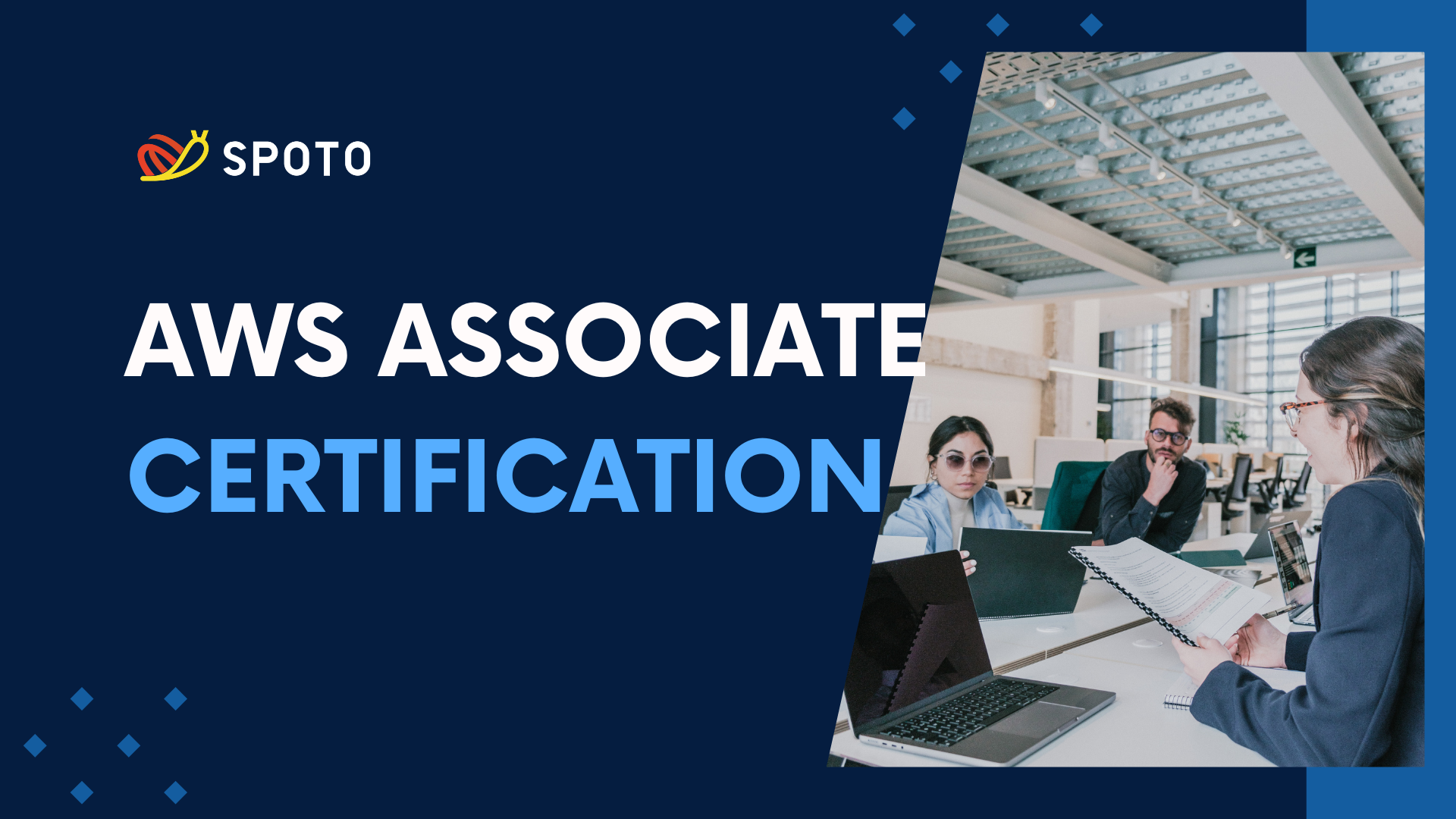
Table of Contents1. Overview of AWS Associate Certifications2. Associate Certifications Breakdown3. Benefits of AWS Associate Certifications4. How to Prepare for AWS Associate Certifications5. Conclusion AWS Associate Certifications are a set of credentials provided by Amazon Web Services (AWS) that confirm a person's fundamental to intermediate skills and knowledge in different AWS services and technologies. 1. Overview of AWS Associate Certifications To truly cement your status as an ecosystem authority and unlock higher income opportunities, AWS Certification delivers unmatched value. Amazon Web Services (AWS) offers three associate-level certifications, namely: AWS Certified Solutions Architect – Associate AWS Certified Developer – Associate AWS Certified SysOps Administrator – Associate Each certification by Amazon is designed with a particular job profile in mind. Which AWS Associate cert would be the best fit for my goals? 2. Associate Certifications Breakdown AWS Certified Developer - Associate is designed for software development professionals. This certification requires at least one year of hands-on experience in building, debugging, and optimizing cloud applications using AWS services. AWS Certified SysOps Administrator - Associate is targeting cloud operations engineers; this certification demands 1-2 years of practical AWS experience, including resource provisioning, system monitoring, and troubleshooting capabilities. AWS Certified Solutions Architect - Associate is ideal for cloud architecture professionals. Candidates should master AWS high-availability design principles and possess 1+ years of practical experience in building cost-optimized, elastically scalable systems. AWS Certified Solutions Architect – Associate The AWS Solutions Architect Associate certification is more suitable for IT professionals who have a proficient understanding of a wide range of AWS services and technologies. Key Skills Validated: Have expertise in AWS services covering computing, storage, and databases. Capable of deploying, monitoring, and managing resources on AWS. Familiar with the AWS Management Console, CLI, Well-Architected Framework, network configuration, and security solutions. Able to select appropriate AWS services based on technical requirements. AWS Certified Developer – Associate AWS Certified Developer – Associate focuses on skills related to developing, testing, and maintaining applications on the AWS platform. The AWS Certified Developer certification is an ideal choice for professionals aiming to build solutions on the AWS platform. Key Skills Validated: Design and optimize applications for AWS. Protect application code and data. Identify and resolve application issues. AWS Certified SysOps Administrator – Associate If you're a professional eager to work with AWS-built solutions, the AWS Certified SysOps Administrator – Associate certification is an ideal choice. It highlights deployment, management, and the smooth running of operations in AWS environments. Key Skills Validated: Knowledge of monitoring and metrics in AWS. Skills in designing fault-tolerant and highly available systems. Proficiency in troubleshooting and configuring IAM policies. 3. Benefits of AWS Associate Certifications Prove Your Expertise AWS Associate Level Certifications are the industry-standard validation of your AWS proficiency. This recognition is highly valued by employers, and recruiters prioritize AWS-certified candidates when they are hiring for IT positions. Master In-Demand Skills Securing an associate-level certification serves as a stepping stone to AWS specialty certifications. You can enhance your employer value by expanding your knowledge in areas such as machine learning, advanced networking and Alexa SkillBuilder, or data analytics. Power Your Side Projects an AWS certification, you can tackle ambitious projects that require robust server capabilities. Whether in machine learning, data analysis, or specialized domains, AWS skills elevate your project's potential. Unlock Lucrative Career Opportunities An AWS certificate opens the door to lucrative, sustainable career paths. As you earn additional certifications and deepen your expertise, you qualify for more advanced roles—boosting earning potential and securing a rewarding future. 4. How to Prepare for AWS Associate Certifications Review the Exam Blueprint AWS provides official exam outlines specifying the test domains and key knowledge areas, which help candidates focus their preparation effectively on the most critical topics. Gain Hands-on Experience Practical proficiency with AWS services is essential for exam success, so regularly working with core services like EC2, S3, and Lambda will build real-world competence. Enroll in Specialized Training Platforms like SPOTO offer tailored courses for each technical certification path, featuring hands-on labs and practice exams that simulate actual test conditions. Leverage AWS papers and documentation These resources provide in-depth insights into AWS best practices, including architecture frameworks and service-specific implementation guidelines for optimal cloud solutions. Engage with the AWS Community Participating in AWS forums and study groups yields valuable insights and support. 5. Conclusion AWS Associate Certification: Validate Your Cloud Expertise The AWS Associate certification serves as a critical benchmark for professionals to demonstrate their technical competencies in cloud computing. Covering core domains including architecture design, operational management, and security compliance, this certification helps credential holders stand out in the competitive IT job market. With structured learning and hands-on practice in real AWS environments, candidates can not only pass the exam but also build a strong foundation for pursuing advanced specialty certifications—unlocking high-value career opportunities in the era of digital transformation. It is advisable that you get fully ready, remain focused throughout, and accomplish your goals. For any concerns or questions, we're here for you and encourage you to contact us. -
- 1994
- circle
- 2025-03-04 15:38
Table of ContentsOverview of AWS Specialty CertificationsAWS Specialty Certifications BreakdownBenefits of AWS Specialty CertificationsHow to Prepare for AWS Specialty CertificationsConclusion Amazon Web Services (AWS) has established itself as a leader in cloud computing, offering a wide range of certifications tailored to different expertise levels. Among these, the AWS Specialty Level Certifications stand out for their focus on advanced, niche domains within the AWS ecosystem. These certifications are designed for professionals with deep technical knowledge and experience in specific areas such as security, networking, and machine learning. This article explores the different AWS Specialty Certifications, their requirements, benefits, and tips for earning them. Overview of AWS Specialty Certifications AWS offers three Specialty certifications, each catering to a specific area of expertise: AWS Certified Advanced Networking – Specialty AWS Certified Security – Specialty AWS Certified Machine Learning – Specialty Each certification validates an individual's ability to design, implement, and manage AWS solutions in the respective domain. AWS Specialty Certifications Breakdown 1. AWS Certified Advanced Networking – Specialty This certification is ideal for network engineers and professionals responsible for implementing and managing AWS and hybrid IT network architectures. It tests an individual's ability to design and maintain scalable and secure networks on AWS. Key Skills Validated: Designing and implementing AWS hybrid IT architectures Automating AWS networking tasks Implementing security best practices Troubleshooting networking issues Recommended Experience: Individuals who perform complex networking tasks with five years of hands-on experience architecting and implementing network solutions. 2. AWS Certified Security – Specialty Security remains a critical aspect of cloud computing, and this certification is designed for professionals focusing on securing AWS workloads. It assesses expertise in data encryption, identity and access management (IAM), security monitoring, and incident response. Key Skills Validated: Understanding AWS security services and controls Implementing secure application architectures Managing security incident responses Designing security monitoring and logging solutions Recommended Experience: Five years of IT security experience, with at least two years of hands-on AWS security experience. 3. AWS Certified Machine Learning – Specialty As machine learning (ML) becomes a fundamental part of business strategy, AWS provides this certification for professionals working with ML and AI services. Key Skills Validated: Building, training, tuning, and deploying ML models on AWS Identifying appropriate ML solutions for business challenges Implementing best practices for data preparation and feature engineering Optimizing ML models for performance and cost-effectiveness Recommended Experience: One to two years of hands-on experience with AWS ML services and a solid background in ML frameworks and algorithms. Benefits of AWS Specialty Certifications 1. Career Advancement Holding an AWS Specialty certification demonstrates expertise in a specific domain, making professionals more competitive in the job market and increasing their earning potential. 2. Industry Recognition AWS certifications are globally recognized, providing credibility and validation of an individual's skills and knowledge. 3. Expanded Job Opportunities AWS Specialty certifications open doors to specialized roles such as Security Architect, Machine Learning Engineer, and Network Engineer. 4. Staying Ahead of Technological Trends Earning a specialty certification ensures that professionals stay updated with the latest AWS advancements and best practices. How to Prepare for AWS Specialty Certifications Understand the Exam Guide: AWS provides an official exam guide detailing the domains and key topics covered. Gain Hands-on Experience: Practical experience with AWS services is crucial for success. Take Training Courses: AWS and platforms like SPOTO offer training courses tailored for each specialty certification. Use AWS Whitepapers and Documentation: These resources provide deep insights into AWS best practices. Practice with Sample Questions: Taking practice exams helps identify areas of improvement. Join AWS Communities: Engaging with AWS forums and study groups can provide valuable insights and support. Conclusion AWS Specialty Certifications are an excellent way for professionals to validate their expertise in niche areas of AWS. Whether it's security, networking, or machine learning, these certifications provide a competitive edge and enhance career growth. With thorough preparation and hands-on experience, candidates can achieve AWS Specialty certifications and unlock new career opportunities in the cloud computing industry. -
- 1684
- circle
- 2025-02-21 15:39
In today's fast-evolving tech landscape, cloud computing has emerged as the backbone of most modern businesses, and AWS (Amazon Web Services) stands as the undisputed leader in this space. Whether you're a seasoned IT professional or someone new to the field, earning an AWS certification can dramatically enhance your career prospects. But what exactly makes AWS certification so valuable? Let's explore 10 compelling reasons why you should consider pursuing and passing AWS certification. 1. Increased Career Opportunities AWS is a global leader in cloud computing, and its services are used by millions of customers worldwide. As a result, the demand for skilled professionals who are proficient in AWS is skyrocketing. Earning an AWS certification can give you a competitive edge in the job market and open doors to roles in cloud architecture, systems engineering, DevOps, and more. Certified professionals are in high demand because companies are increasingly looking to migrate their workloads to the cloud and need experts to manage their infrastructure. 2. Higher Salary Potential According to various industry reports, certified AWS professionals tend to earn higher salaries than their non-certified counterparts. AWS-certified individuals can command a premium due to their proven expertise in cloud computing and AWS services. If you're looking to boost your earning potential, an AWS certification can give you a clear path to higher-paying opportunities. AWS certifications are recognized across industries and are often a requirement for certain high-paying positions, further validating their value. 3. Validation of Your Skills Passing the AWS certification exam provides official recognition of your cloud computing skills. Whether you're an experienced cloud engineer or someone looking to prove their knowledge, an AWS certification validates your ability to deploy, manage, and scale AWS solutions. This recognition can be an asset to your professional reputation and provide your employer with confidence in your abilities. It's an excellent way to showcase your technical expertise and prove that you're up to date with the latest cloud trends. 4. Access to AWS's Vast Ecosystem AWS offers a vast ecosystem of services, tools, and technologies that span areas like compute, storage, networking, machine learning, IoT, and security. By earning an AWS certification, you'll gain access to this robust environment and be able to navigate it with ease. Additionally, AWS-certified professionals are often given priority access to exclusive resources, including training, events, and support channels. These tools and resources will keep you ahead of the curve, providing you with ongoing growth opportunities. 5. Better Job Security As businesses continue to embrace the cloud, they require professionals who can ensure that their infrastructure is robust, scalable, and cost-effective. AWS-certified professionals are integral to the success of these cloud-based transformations, making them a critical asset to their companies. The demand for skilled AWS experts only continues to grow, which means better job security for those with the certification. In a rapidly changing job market, cloud computing skills are often seen as a safeguard against obsolescence. 6. Flexibility to Work Across Industries AWS is used by a wide range of organizations, from startups to Fortune 500 companies, across virtually every industry. This makes AWS certification a versatile credential. Whether you're interested in working in finance, healthcare, education, or e-commerce, the skills you acquire with AWS certification will be applicable across the board. The ability to transfer your skills between industries opens up a wealth of opportunities. 7. Enhance Your Knowledge and Skills Preparing for the AWS certification exam involves in-depth study of various AWS services and how they can be effectively leveraged to build scalable and efficient cloud solutions. As you work toward certification, you'll gain a deeper understanding of AWS best practices, architectural principles, and security measures. This knowledge can be applied directly to your current job or used to elevate your career prospects in the future. AWS certification isn't just about passing an exam—it's about growing your technical expertise and mastering cloud computing concepts. 8. Join a Global Network of Professionals By earning an AWS certification, you'll join a global community of certified professionals who are recognized as experts in the field. AWS certification holders get access to a dedicated AWS Certified LinkedIn group and can attend AWS summits, webinars, and special events where you can network with other professionals, exchange knowledge, and explore collaboration opportunities. This community provides support, career advancement tips, and inspiration to help you continuously grow in your field. 9. Enhanced Credibility with Employers and Clients For consultants, contractors, or anyone who works with clients, having an AWS certification is a strong selling point. It demonstrates that you possess the knowledge and skills to help clients deploy cloud solutions that are cost-effective, secure, and scalable. For employers, it's an assurance that you can deliver high-quality, cloud-driven solutions that align with business goals. In many cases, companies prioritize certified professionals when selecting contractors or full-time employees. 10. Future-Proof Your Career The cloud is the future of IT, and AWS is at the forefront of this revolution. As more organizations migrate to the cloud, the need for skilled cloud professionals will continue to increase. By gaining an AWS certification, you are positioning yourself as a leader in the cloud computing space, ensuring that your career remains relevant and future-proof. Having AWS certification provides you with the foundation to stay ahead of technological advances, especially with machine learning, AI, and serverless computing taking center stage in cloud innovation. Conclusion Passing an AWS certification isn't just about adding a credential to your resume. It's a way to validate your skills, expand your career opportunities, and ensure you stay relevant in a rapidly evolving industry. Whether you're just starting your cloud journey or looking to take your expertise to the next level, AWS certification is an investment in your future. With demand for AWS-certified professionals showing no signs of slowing down, there has never been a better time to start preparing for and passing your AWS certification exam. -
- 1531
- circle
- 2025-02-17 10:00
The cloud is no longer a futuristic technology—it's the backbone of today's digital infrastructure. Amazon Web Services (AWS) is the dominant player in the cloud market, powering everything from startups to Fortune 500 companies. If you're looking to break into the tech industry or take your career to the next level, earning an AWS Certification is a great way to start. For beginners, AWS offers a clear and structured certification path that helps build foundational knowledge, preparing you for a wide range of cloud roles. Whether you're aiming to become a Solutions Architect, Cloud Developer, or SysOps Administrator, the path starts with the AWS Certified Cloud Practitioner and continues with more advanced certifications. In this article, we'll break down everything you need to know about starting your AWS journey as a beginner, from choosing the right certification to preparing effectively. 1. Why AWS Certification? Before diving into the specifics of AWS certifications, let's understand why this credential is so valuable: Industry Demand: AWS is the leading cloud provider globally, and many companies prefer candidates who are proficient in its services. The demand for AWS-certified professionals is skyrocketing, with cloud-related jobs growing across various industries. High Earning Potential: AWS-certified professionals often command higher salaries due to their specialized skills. According to the 2023 IT Skills and Salary Report, AWS certifications are among the highest-paying credentials in IT. Versatile Skillset: AWS certifications cover a wide range of cloud topics, from architecture and deployment to security and cost optimization. Whether you're interested in software development, networking, or data engineering, there's a certification that fits your career aspirations. 2. Getting Started with AWS Certification: The Foundation If you're new to AWS, the best way to start is with the AWS Certified Cloud Practitioner exam. This foundational-level certification is designed for individuals with little to no cloud experience. It provides a solid introduction to AWS cloud concepts and basic AWS services, without diving into the technical depths of more advanced certifications. Exam Overview: The AWS Certified Cloud Practitioner exam assesses your understanding of cloud fundamentals, the AWS global infrastructure, basic AWS services (such as EC2, S3, and IAM), security, pricing, and support. Preparation Time: For beginners, it usually takes around 25-40 hours of study to prepare for the exam. This includes reading AWS whitepapers, watching video tutorials, and using practice exams to test your knowledge. Target Audience: This certification is ideal for entry-level IT professionals, business analysts, sales professionals, and anyone who wants to build foundational cloud knowledge. 3. What's Next After the Cloud Practitioner Certification? Once you've earned the AWS Certified Cloud Practitioner certification, you have a strong foundation in cloud concepts. The next step depends on your career goals and the specific role you want to pursue. The two most popular paths are: AWS Certified Solutions Architect – Associate The AWS Certified Solutions Architect – Associate exam is the next logical step for those interested in designing and deploying scalable systems on AWS. It focuses on core AWS services, cloud architecture, security best practices, and cost optimization strategies. This certification is ideal for individuals looking to become cloud architects or solutions engineers. Preparation Time: Expect to spend 100-120 hours on study and hands-on practice. This includes learning services like VPC, EC2, RDS, CloudFormation, and Route 53. AWS Certified Developer – Associate If you have a background in software development and want to specialize in developing cloud applications, the AWS Certified Developer – Associate certification is a great choice. This certification tests your knowledge of deploying applications on AWS, working with AWS APIs, and leveraging AWS developer tools. Preparation Time: Similar to the Solutions Architect path, you'll need around 100-120 hours of study time to cover topics like AWS Lambda, DynamoDB, Elastic Beanstalk, and CloudWatch. 4. Hands-On Practice: The Key to Success For beginners, hands-on practice is essential to truly understand AWS concepts. AWS provides a Free Tier, which allows you to explore and experiment with various services at no cost, within certain limits. Here's how to get started with hands-on practice: Set up an EC2 instance: Launch a virtual server on AWS and explore how to configure, connect to, and manage it. Use S3 for Storage: Learn how to store, retrieve, and manage data in AWS S3 buckets. Create a VPC: Set up a Virtual Private Cloud (VPC) to understand networking and security in the cloud. Explore IAM: Experiment with creating IAM users and assigning roles and permissions to control access to AWS resources. By actively engaging with the AWS environment, you'll gain a deeper understanding of the services and tools you'll need to succeed in your exams. 5. AWS Certification Study Resources There are many study resources available to help you prepare for your certification exams: AWS Training and Certification: AWS offers a variety of free and paid training resources, including digital training, classroom training, and exam readiness webinars. A Cloud Guru: This platform offers structured courses tailored to AWS certifications, with hands-on labs and practice exams. Linux Academy: Now part of A Cloud Guru, it provides in-depth video courses and cloud labs for AWS certification preparation. AWS Whitepapers: Reading AWS whitepapers on security, architecture best practices, and pricing models is an excellent way to dive deeper into AWS's core principles. Practice Exams: Use practice exams from platforms like SPOTO to simulate the actual exam environment. 6. Tips for Success To maximize your chances of passing the AWS certification exams, consider the following tips: Focus on Core Services: For the foundational and associate-level exams, ensure that you are familiar with key services such as EC2, S3, IAM, VPC, and CloudWatch. Understand AWS Pricing: Many exams include questions on AWS's pricing models, billing, and cost optimization, so make sure you're familiar with how AWS charges for its services. Time Management: During the exam, manage your time wisely. Don't spend too long on any one question; move on and come back if needed. Use the AWS Documentation: AWS documentation is a great resource during exam preparation, so don't hesitate to consult it if you're unsure about a topic. 7. Where Can an AWS Certification Take You? Once you earn your AWS certification, a world of job opportunities opens up. Companies across the globe are seeking skilled cloud professionals to help them move to and manage their cloud infrastructure. Here are some common roles for AWS-certified professionals: Cloud Architect: Design and implement scalable, secure, and cost-effective cloud architectures. Cloud Developer: Build and deploy cloud-based applications and services using AWS technologies. SysOps Administrator: Manage and monitor cloud infrastructure, ensuring it runs smoothly and securely. Cloud Security Engineer: Ensure the security of cloud applications and services through secure design, implementation, and management. AWS certifications provide a pathway to high-paying and rewarding roles across industries like finance, healthcare, e-commerce, IT, and more. Conclusion Starting your cloud career with an AWS Certification is one of the smartest decisions you can make today. The certification journey begins with the AWS Certified Cloud Practitioner, a solid foundation for anyone new to the cloud. From there, you can progress to more advanced certifications depending on your career goals. With the demand for cloud professionals on the rise, earning an AWS certification opens doors to exciting job opportunities and career advancement. By investing time in hands-on practice, leveraging study resources, and focusing on key AWS concepts, you'll be well on your way to becoming a cloud expert in no time! -
- 8297
- circle
- 2025-02-14 15:03
The cloud computing industry is booming, and Amazon Web Services (AWS) stands as the undisputed leader in this space. With its expansive range of cloud services, AWS offers certifications that are recognized worldwide as benchmarks for cloud proficiency. Whether you're pursuing the AWS Certified Solutions Architect – Associate, AWS Certified Developer, or AWS Certified SysOps Administrator, the certification process can be daunting for beginners. A common question that arises during preparation is: How many cloud hours (or hours spent learning and working with AWS) do you need before you're ready to sit for the exam? While no fixed number of hours guarantees success, there are general guidelines and strategies you can follow to ensure you're adequately prepared. Let's break it down. 1. Understanding the AWS Certification Levels Before diving into how many cloud hours you'll need, it's important to understand the different AWS certification levels. AWS certifications are categorized into four main tiers: Foundational: For beginners, such as the AWS Certified Cloud Practitioner. Associate: Intermediate-level certifications, such as Solutions Architect – Associate, Developer – Associate, and SysOps Administrator – Associate. Professional: Advanced-level certifications, including Solutions Architect – Professional and DevOps Engineer – Professional. Specialty: Focused on specialized knowledge, such as Advanced Networking or Machine Learning. For most people starting out, the foundational and associate-level certifications are the main goal. As you progress to the professional or specialty levels, the cloud hours and experience required will increase significantly. 2. Cloud Hours: What Are We Talking About? When we talk about cloud hours, we are generally referring to two things: Study Hours: Time spent on training, watching courses, reading official AWS documentation, and practicing concepts. Hands-On Hours: Time spent using AWS services in a real or virtual environment—setting up EC2 instances, working with S3 storage, configuring VPCs, etc. For each of these, the number of hours you need will vary based on your background, experience, and the certification you're pursuing. 3. How Many Cloud Hours for AWS Certified Cloud Practitioner? The AWS Certified Cloud Practitioner is the entry-level certification aimed at individuals with basic knowledge of AWS and the cloud. It's a great starting point for anyone new to the cloud. Study Hours: Generally, it takes around 25-40 hours of study to prepare for the Cloud Practitioner exam. This includes watching videos, reading whitepapers, and familiarizing yourself with AWS services. Hands-On Hours: You don't need extensive hands-on practice for this certification, but about 10-15 hours of experimenting with the AWS Free Tier should be enough to understand core services like EC2, S3, and IAM (Identity and Access Management). If you're new to cloud computing, this exam should take around 1-2 months of part-time preparation, depending on how much time you can dedicate each week. 4. How Many Cloud Hours for Associate-Level AWS Certifications? If you're aiming for an Associate-level certification like the AWS Certified Solutions Architect – Associate, things get a bit more involved. These exams require a deeper understanding of AWS services, best practices, and cloud architecture. Study Hours: Typically, you'll need 100-120 hours of focused study. This includes online courses, self-study, and revising key AWS concepts, such as VPC, Route 53, CloudFormation, EC2, RDS, and S3. Hands-On Hours: This is crucial. To truly grasp the practical aspects of the certification, you should spend 30-40 hours hands-on with AWS services. This will help you gain practical knowledge of how to deploy applications, manage resources, and troubleshoot common cloud problems. Time to Certify: Depending on your pace and experience level, you might need anywhere from 3-6 months to adequately prepare for the associate-level certifications. 5. How Many Cloud Hours for Professional-Level AWS Certifications? The Professional-level certifications are for advanced users and those with significant experience in AWS. The Solutions Architect – Professional or DevOps Engineer – Professional exams require in-depth knowledge of large-scale cloud infrastructure, automation, and advanced troubleshooting techniques. Study Hours: These exams are rigorous, and you'll need 300-400 hours of study. This includes advanced architectural concepts, multi-region deployments, cost optimization, and cloud security. Professional-level preparation also often involves learning to design fault-tolerant, scalable, and highly available systems in AWS. Hands-On Hours: It's strongly recommended that you spend 100-150 hours building real-world scenarios on AWS. The complexity of these exams means that practical experience is key to performing well. Time to Certify: Given the advanced nature of these exams, expect to spend 6-12 months of dedicated study and hands-on practice to reach a level of preparedness for the professional certifications. 6. How Many Cloud Hours for AWS Specialty Certifications? Specialty certifications like AWS Certified Advanced Networking or AWS Certified Machine Learning focus on specific areas of expertise within AWS. These require a deep dive into particular AWS services and use cases. Study Hours: Specialty exams usually require 150-200 hours of study, especially for niche areas such as AWS IoT, machine learning, or security. Hands-On Hours: For specialized roles, you will need significant hands-on experience in that specific area. This might mean anywhere from 50-100 hours focused on the specific AWS service or domain. Time to Certify: Depending on your previous experience, you might need 4-6 months of focused study to pass a specialty exam. 7. Maximizing Your Cloud Hours for Effective Learning To make the most out of your cloud hours, follow these strategies: Use the AWS Free Tier: The AWS Free Tier gives you limited access to many AWS services without incurring costs, which is perfect for getting hands-on experience. Set Up Real-World Projects: Try creating and managing your own projects. For example, launch a simple website using EC2 and S3, or build a basic VPC with a couple of subnets and security groups. Focus on High-Impact Services: For associate and professional-level exams, ensure you're comfortable with key services like EC2, S3, VPC, IAM, and CloudWatch, which make up a large portion of the exam objectives. Learn by Doing: Set aside dedicated hands-on time for each concept you study. Don't just watch tutorials—apply what you've learned by configuring services, troubleshooting issues, and experimenting with different AWS features. 8. Additional Resources for AWS Exam Preparation Along with cloud hours, make use of quality study materials: AWS Training and Certification: AWS offers a variety of free and paid courses through its official training portal, including digital training, classroom training, and exam readiness courses. A Cloud Guru: Known for its in-depth AWS courses, A Cloud Guru offers structured learning paths for each AWS certification exam. Linux Academy (Now part of A Cloud Guru): This platform has great video tutorials and hands-on labs. SPOTO: SPOTO offers practice exams, quizzes, and mock tests that simulate the actual AWS exams. Conclusion The number of cloud hours required to achieve an AWS certification depends on the certification level and your experience with cloud technologies. For foundational exams, you might need anywhere from 50-100 hours of study and hands-on practice. For associate and professional-level certifications, expect to dedicate 200-400 hours. If you're pursuing a specialty certification, that number could go even higher. The key to success is to balance theoretical study with hands-on practice, using tools like the AWS Free Tier and training resources to build real-world experience. With patience, persistence, and a solid study plan, you'll be well on your way to becoming AWS certified!