





TRUSTED BY THE SMARTEST TEAMS IN THE WORLD FOR CERTIFIED CANDIDATES
SPOTO Blogs
Useful learning materials to become certified IT personnel
-
- 1048
- SPOTO 2
- 2025-07-17 14:19
-
- 832
- Emma
- 2025-06-16 18:05
-
- 1235
- Emma
- 2025-06-16 17:41
-
- 994
- Emma
- 2025-06-13 11:54
-

- 1200
- Emma
- 2025-06-12 12:14
-

- 1056
- Emma
- 2025-06-12 11:40
-

- 1264
- Emma
- 2025-06-11 12:31
-
- 1222
- Emma
- 2025-06-10 16:07
-

- 1148
- Emma
- 2025-06-05 12:07
TRUSTED BY THE SMARTEST TEAMS IN THE WORLD FOR CERTIFIED CANDIDATES
SPOTO Blogs
Useful learning materials to become certified IT personnel
-
- 1048
- SPOTO 2
- 2025-07-17 14:19
Table of Contents1. What is PMI Agile Certified Practitioner certification?2. Benefits of having PMI Agile Certified Practitioner certification3. Details of the PMI Agile Certified Practitioner certification4. What Are the Qualifications to get a PMI Agile Certified Practitioner certification?5. How much does it cost to pass the PMI Agile Certified Practitioner certification?6. Similar certifications of PMI Agile Certified Practitioner certification This article will introduce you to what a PMI Agile Certified Practitioner certification is, the details information of PMI Agile Certified Practitioner certification and the necessary conditions to get a PMI Agile Certified Practitioner certification. By reading this article, you will gain an in-depth understanding of the PMI Agile Certified Practitioner certification. 1. What is PMI Agile Certified Practitioner certification? PMI Agile Certified Practitioner (PMI-ACP® ) is a professional certification launched by the Project Management Institute (PMI) that focuses on agile practices. It aims to verify the comprehensive ability of the holder to apply multiple agile methods in agile project management. It is one of the most influential certifications in the agile field worldwide and is suitable for all practitioners who participate in or lead agile projects and teams. The PMI Agile Certified Practitioner is different from the certification of a single agile framework. It emphasizes "universal practices across agile methods" and focuses on the flexible application of agile principles in different scenarios, rather than mechanically applying a certain framework. The core goals of the PMI Agile Certified Practitioner are to establish unified standards for agile practices, covering core elements such as agile values, teamwork, iterative delivery, and continuous improvement, and to prove that the holder has the ability to choose appropriate agile methods in complex projects and balance agile flexibility and project constraints; to help organizations identify professionals who can effectively promote agile transformation and coordinate agile teams with business goals. 2. Benefits of having PMI Agile Certified Practitioner certification PMI-ACP® is a certification launched by PMI that complements PMP. PMP focuses on integrated management, while PMI-ACP® focuses on agile practices. It has a high degree of global recognition and is highly recognized in multinational companies, IT, Internet, software development and other fields. PMI-ACP® covers a variety of agile methods, proving that the holder can choose the most appropriate practice based on the characteristics of the project rather than being limited to a single framework. With the development of enterprises, the demand for agile talents continues to grow. PMI-ACP® is an important plus for job hunting and promotion, especially in organizations undergoing agile transformation. Certified holders are more likely to obtain management positions, which can help job seekers or existing workers who hope to further develop their work have more career options. This certification has a high degree of practical guidance. The preparation process can systematically sort out agile principles and tools to help practitioners solve practical problems. 3. Details of the PMI Agile Certified Practitioner certification The PMI-ACP® exam lasts a total of 3 hours, with 120 multiple-choice questions. Candidates can choose to take the online computer test at home or at a designated test center through Pearson VUE's OnVUE platform or take the offline written test at an authorized test center in some regions. The exam content is based on PMI's "Agile Practice Guide," covering 7 major knowledge areas, with a total score of 200 points and a passing score of 150 points. "Pass/Fail" will be displayed immediately after the exam, and the detailed score report can be checked on the PMI official website about 5 working days later. The exam focuses on modules such as agile principles and thinking, value-driven delivery, stakeholder participation, team performance, adaptive planning, problem discovery and resolution, and agile practice tools. 4. What Are the Qualifications to get a PMI Agile Certified Practitioner certification? (1) Submit an application Fill out the online application on the PMI official website and upload project experience certificates, training certificates and other materials. The review period is about 5-10 working days. (2) Pass the exam After passing the review, make an appointment for an online or offline exam at the Pearson VUE test center. PMI uses a standard score system and requires a score of 150 or above to pass. (3) Maintain certification The certification is valid for 3 years. Within 3 years, you need to accumulate 30 professional development units and pay a renewal fee of US$150. 5. How much does it cost to pass the PMI Agile Certified Practitioner certification? The initial registration fee for the PMI-ACP® exam is $435 for PMI members and $535 for non-PMI members. To become a PMI member, you need to pay an additional annual fee, which is $139/year globally, and $39/year for student members. Members can enjoy discounts on exam fees and other resource benefits. If you fail the first exam, you can retake it within 1 year of the registration validity period: PMI members will spend $250 and non-PMI members will spend $375. In addition, the PMI-ACP® certification requires candidates to complete at least 21 hours of agile training. The training fee varies depending on the institution, course format and region, usually between $500-1500. The certificate is valid for 3 years. When renewing the certificate, you need to pay a renewal management fee of $150 and accumulate 30 professional development units. 6. Similar certifications of PMI Agile Certified Practitioner certification ICAgile Certified Professional (ICP) Certified ScrumMaster (CSM) SAFe Agilist (SA) AgilePM Foundation -
- 832
- Emma
- 2025-06-16 18:05
Table of ContentsWhat is a PMO Specialist?What Does a PMO Specialist Do?How Much Do PMO Specialists Make?Why Pursue a Career as a PMO Specialist?How Do I Become a PMO Specialist?Final Thoughts Are you curious about how organizations keep their projects on track amidst increasing complexity and competition? Have you ever wondered what key roles drive successful project deliveries across various industries? If so, then understanding the role of a PMO Specialist might just be your new career insight. In today's fast-paced business environment, organizations rely heavily on dedicated professionals who oversee project management processes, streamline workflows, and ensure strategic goals are achieved efficiently. This comprehensive guide will explore the role of a PMO specialist—what they do, the skills required, career outlook, and why pursuing this path could be highly rewarding. What is a PMO Specialist? A PMO Specialist is a seasoned professional responsible for supporting and enhancing an organization's project management capabilities. They serve as the backbone for project execution, ensuring that projects align with strategic objectives, follow best practices, and are completed on time and within budget. The role mixes administrative oversight with strategic thinking, making it essential for organizations aiming for consistent project success. A PMO Specialist acts as a bridge between project teams and senior management, facilitating communication, implementing project standards, and monitoring performance metrics. Their ultimate goal: to improve project success rates and optimize resource utilization. What Does a PMO Specialist Do? The responsibilities of a PMO Specialist can be grouped into several core functions: Development and Planning: They establish project management frameworks, methodologies, and templates to standardize processes across projects. They also assist in strategic planning to ensure projects contribute toward organizational goals. Management Oversight and Implementation: They oversee project portfolios, allocate resources, and support project managers throughout the project lifecycle. This includes risk management, scope control, and quality assurance. Monitoring and Evaluation: They track project performance using KPIs, prepare reports for stakeholders, and conduct post-project reviews to identify lessons learned and continuous improvement opportunities. In essence, the PMO Specialist plays a proactive role in guiding projects from inception to completion, making sure every phase aligns with overarching organizational strategies. Job Duties for a PMO Specialist The daily duties of a PMO Specialist are varied but highly structured: Creating and maintaining project management standards and procedures. Facilitating communication among project teams and stakeholders. Assisting project managers with planning, scheduling, and resource allocation. Monitoring progress through dashboards and project tracking tools. Managing project documentation and ensuring compliance with policies. Conducting risk assessments and implementing mitigation strategies. Providing training and mentoring to project staff on best practices. Generating comprehensive project reports and presentations for management. Skills of a PMO Specialist Success in this role hinges on a well-rounded skill set: Project Management Expertise: Knowledge of methodologies like PMI, Scrum, and Six Sigma. Communication Skills: Ability to clearly convey project status, issues, and strategies to a diverse audience. Analytical Abilities: Proficient in data analysis, risk management, and problem-solving. Organizational Skills: Strong multitasking, planning, and time management capabilities. Leadership and Interpersonal Skills: Ability to influence and motivate teams, build consensus, and negotiate effectively. Related Job Opportunities Project Coordinator Program Manager Portfolio Analyst Organizational Change Manager Business Analyst How Much Do PMO Specialists Make? Salary levels for PMO Specialists often depend on experience, location, and certifications. According to recent data, an entry-level PMO Specialist in many regions can expect to earn around $60,000–$80,000 annually. With more experience or advanced certifications, this figure can rise to $100,000 or more. In high-demand markets like Switzerland, salaries can significantly exceed this range, reflecting the strategic importance of this role. To stay competitive, continuous learning and certification upgrades are essential. Why Pursue a Career as a PMO Specialist? Choosing a career as a PMO Specialist offers numerous advantages: High Demand: As organizations prioritize project delivery, the need for skilled PMO professionals grows rapidly. Career Growth: Pathways to senior management, portfolio management, and executive roles. Diverse Opportunities: Work across various industries and projects, keeping the work dynamic and challenging. Impact: Directly influence organizational success by ensuring projects deliver value. Workplace Stability: A vital role, especially in large, complex organizations, translates to job stability. How Do I Become a PMO Specialist? Embarking on this career path involves several steps: Educational Background: A degree in business administration, management, or related fields provides a solid foundation. Acquire Relevant Certifications: Certifications such as PMP, CAPM, or Agile Certified Practitioner boost credibility. Gain Experience: Entry-level projects or roles in project coordination help build practical skills. Develop Soft Skills: Enhance communication, leadership, and problem-solving capabilities. Leverage Training Resources: Platforms like SPOTO offer comprehensive courses covering project management fundamentals, tools, and certification preparation, enabling you to learn from industry experts and accelerate your career. Final Thoughts The role of a PMO Specialist is a vital one, ensuring organizations execute projects effectively and achieve strategic objectives. With a blend of technical skills, strategic thinking, and strong communication, this profession offers lucrative salaries, diverse career paths, and the chance to make a real impact. If you're interested in building a solid foundation for this promising career, consider exploring SPOTO's professional courses. They are designed to equip you with the skills and certifications needed to thrive as a PMO specialist—unlocking a future full of opportunities. -
- 1235
- Emma
- 2025-06-16 17:41
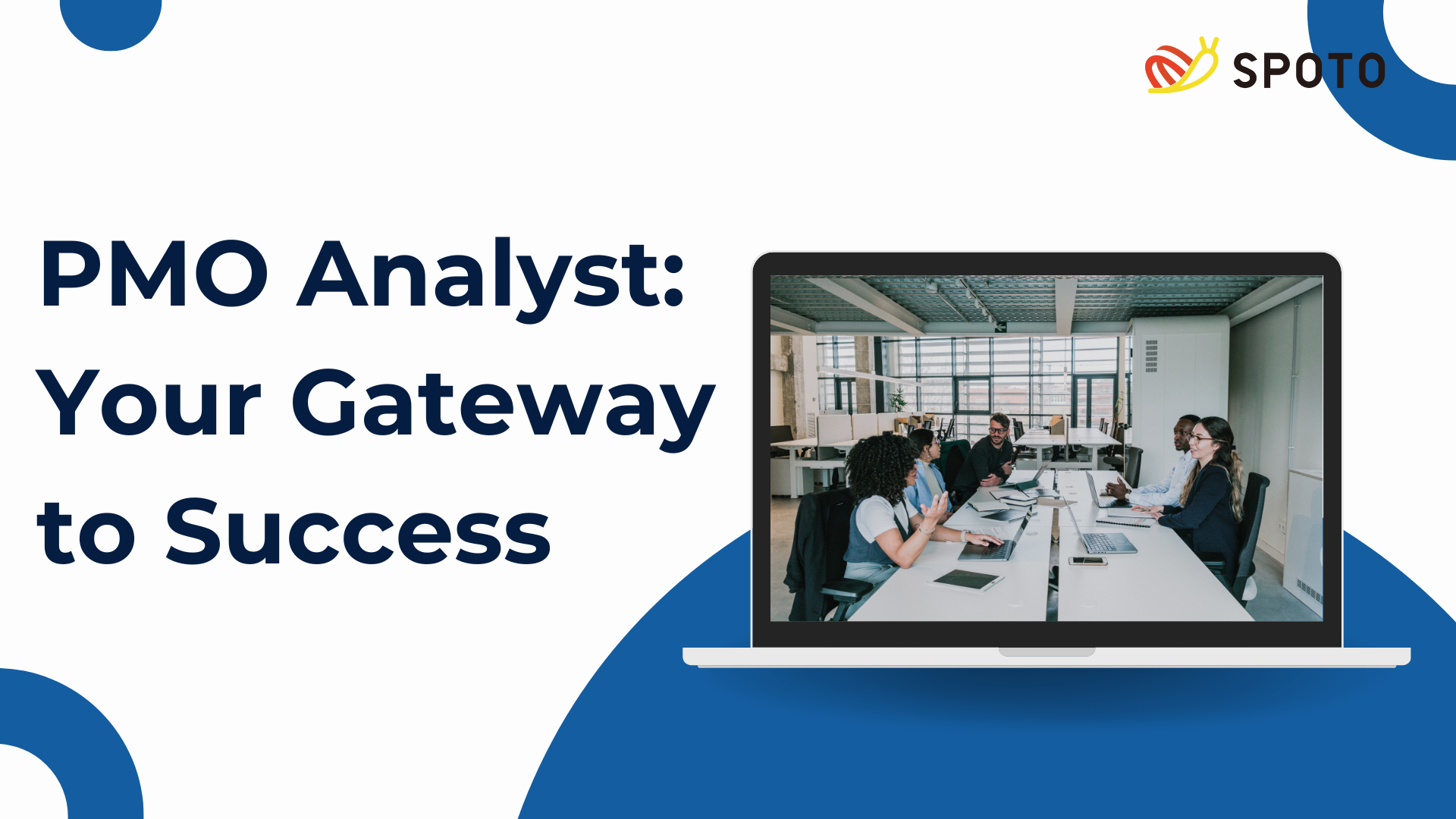
Table of ContentsWhat Is a PMO?What Does a PMO Analyst Do?How Much Do PMO Analysts Make?Why Pursue a Career as a PMO Analyst?How Do I Become a PMO Analyst?Conclusion Suppose you're contemplating a career shift or looking to deepen your understanding of project management. In that case, this article will guide you through the essentials of a PMO, the role of a PMO Analyst, the skills required, career prospects, and even how to break into this dynamic field. What Is a PMO? A Project Management Office (PMO) is a centralized unit within an organization that oversees project management practices, standards, and initiatives. Think of it as the organizational brain behind large projects—providing governance, strategic alignment, resource management, and performance tracking. Its ultimate goal? Ensuring projects align with overall business objectives, are executed efficiently, and deliver maximum value. According to industry sources, including insights from APMG International, a PMO is a strategic hub that supports project managers, provides guidance, and standardizes processes. In essence, it's a backbone that ensures consistency and success across multiple projects and programs. What Does a PMO Analyst Do? A PMO Analyst is a critical player who acts as the data-driven backbone of the PMO. They analyze project data, monitor progress, identify issues, and support project teams in achieving their goals. Their work ensures transparency and continuous improvement in how projects are managed. In their daily duties, PMO Analysts often compile reports, perform risk assessments, track KPIs, and facilitate communication among stakeholders. They may also assist in project planning and governance, making sure each project adheres to organizational standards. According to industry literature, including detailed job descriptions from Indeed Singapore, a typical PMO Analyst role involves supporting project managers, maintaining documentation, managing tools, and analyzing project performance metrics. Their insights help organizations make better strategic decisions and improve project outcomes. Job Duties for a PMO Analyst The responsibilities of a PMO Analyst tend to be diverse and dynamic. Some of the core duties include: Data Analysis & Reporting: Collecting project data, creating dashboards, and preparing status reports for senior management. Monitoring Project Performance: Tracking KPIs to ensure projects stay on schedule, within scope, and on budget. Risk Management: Identifying potential issues early and proposing mitigation strategies. Process Compliance: Ensuring projects follow organizational standards and methodologies. Support Project Teams: Assisting with resource allocation, scheduling, and documentation. Stakeholder Communication: Facilitating smooth information flow between project teams, sponsors, and executives. Tools Management: Using software like MS Project, Jira, or Primavera to monitor progress. This variety of tasks makes the role both challenging and rewarding, offering plenty of opportunities for professional development. Skills of a PMO Analyst Success as a PMO Analyst hinges on a set of key skills: Strong Analytical Abilities: Ability to interpret complex data and convert it into actionable insights. Excellent Communication: Conveying complex information clearly to various stakeholders. Organizational Skills: Managing multiple projects and deadlines efficiently. Proficiency with Project Management Tools: Familiarity with platforms like MS Project, SharePoint, Jira, or ERP systems. Attention to Detail: Ensuring accuracy in reports and compliance. Problem-Solving Skills: Anticipating issues and providing innovative solutions. Developing these skills can significantly enhance your chances of landing a PMO Analyst role, and there are dedicated courses that can help you master them, like SPOTO. Related Job Opportunities Project Coordinator Program Analyst Portfolio Manager Project Director How Much Do PMO Analysts Make? Salaries for PMO Analysts vary based on experience, location, and industry. In general: Entry-Level: $50,000 – $70,000 annually Mid-Level (2-5 years): $70,000 – $100,000 annually Senior PMO Analysts or Managers: $100,000+ annually In regions like Singapore or London, salaries tend to be at the higher end, reflecting the high demand for skilled professionals. Additionally, gaining certifications like PMP, PRINCE2, or agile-related qualifications can significantly boost earning potential. Why Pursue a Career as a PMO Analyst? Choosing to become a PMO Analyst offers multiple benefits: Diverse Challenges: Every project is unique, offering constant learning. Career Growth: From analyst to PMO Manager, the pathway is clear. High Demand: Organizations value structured project governance, creating abundant opportunities. Impactful Role: Your work directly influences organizational success. Competitive Salary: Reflects the critical importance of the role. If you're eager to thrive in a professional environment where strategic thinking meets operational excellence, this career might be the perfect fit. Furthermore, working globally or in cross-functional teams can expand your expertise, making you a highly versatile professional. How Do I Become a PMO Analyst? Breaking into this field requires a combination of education, skills, and practical experience: Educational Background: A degree in Business, Management, IT, or related fields. Gain Relevant Skills: Project management principles, data analysis, communication. Certifications: Consider pursuing PMP, PRINCE2, Agile, or other industry-recognized certificates. Practical Experience: Internships, project volunteering, or entry-level roles help build your resume. Professional Training: Courses offered by reputable institutions can accelerate your learning, focusing on project management tools, methodologies, and real-world applications. Conclusion A career as a PMO Analyst offers a blend of strategic importance, professional growth, and financial reward. With the right skills and certifications—many of which can be obtained through specialized training programs like SPOTO—you'll be well-positioned to excel in this dynamic field. Are you ready to take the first step towards becoming a vital part of organizational success? Explore SPOTO's project management courses today and set your career on the fast track! -
- 994
- Emma
- 2025-06-13 11:54
Table of Contents1. What is a PMO Manager?2. What does a PMO Manager do?3. How much does a PMO Manager make?4. Why pursue a career as a PMO Manager?5. How do I become a PMO Manager?6. Conclusion Have you ever wondered what keeps complex projects on track, aligns teams towards common goals, and ensures organizational success? The answer often lies behind the scenes with a role that is both strategic and vital—the PMO Manager. In today's fast-paced business environment, organizations are increasingly relying on Project Management Offices (PMOs) to streamline operations, improve efficiency, and deliver value. But what exactly does a PMO Manager do? What skills do they need? And could this be the career for you? We'll explore it in this blog; let's dive in. 1. What is a PMO Manager? At its core, a PMO (Project Management Office) Manager oversees the strategic function of project management within an organization. They lead a team of project managers and coordinate efforts across multiple projects to ensure alignment with corporate goals. The role is both leadership and management-oriented, requiring a broad understanding of project methodology, organizational strategy, and stakeholder communication. Essentially, a PMO Manager acts as the bridge between executive leadership and project teams, ensuring that initiatives are delivered on time, within scope, and within budget. A successful PMO Manager isn't just a project overseer; they are strategic thinkers, resource allocators, and change agents committed to driving organizational success through effective project execution. 2. What does a PMO Manager do? Job duties for PMO managers Developing and implementing project management standards: Establishing best practices, procedures, and methodologies for project execution. Resource planning and allocation: Ensuring the right personnel and tools are available for project success. Monitoring project progress: Tracking key milestones, risks, and issues across multiple projects. Stakeholder communication: Serving as the primary liaison between project teams, executives, and clients. Reporting and analysis: Providing insights and performance reports to senior leadership to inform decision-making. Training and mentoring: Building project management competency within the organization through coaching and professional development. Skills of a PMO Manager To excel in this role, certain skills are non-negotiable: Leadership and team management: Ability to inspire and guide project teams. Strategic thinking: Aligning projects with organizational goals. Excellent communication: Articulating complex ideas clearly to diverse stakeholders. Risk management: Anticipating and mitigating potential issues. Problem-solving: Navigating obstacles swiftly and effectively. Technical proficiency: Familiarity with project management tools. Related Job Opportunities PMO analyst PMO coordinator Program Director Portfolio Manager PMO process specialist Chief Operating Officer 3. How much does a PMO Manager make? Salaries for PMO Managers vary based on experience, industry, and geographical location. On average, they earn between $90,000 and $150,000 annually. In highly competitive markets or specialized sectors, compensation can exceed $180,000. Furthermore, those with certifications like PMP (Project Management Professional) tend to command higher salaries. The investment in certification pays off by boosting earning potential and career advancement opportunities. 4. Why pursue a career as a PMO Manager? Career Opportunities The role offers a diverse range of career pathways. As organizations continue to recognize the importance of structured project management, the demand for skilled PMO Managers grows. Whether in consulting, technology, or corporate sectors, opportunities are abundant. Diverse Challenges and Opportunities for Growth One of the most appealing aspects of being a PMO Manager is the variety of challenges faced daily. From managing cross-functional teams to implementing new project methodologies, the role maintains a dynamic environment rich in learning opportunities. Furthermore, as you gain experience, you develop essential leadership skills, strategic insights, and a project portfolio that enhances your value within the industry. It's a career that fosters continuous growth and lifelong learning. 5. How do I become a PMO Manager? Becoming a PMO Manager requires a combination of education, experience, and certification. Here's a clear path: Educational background: A bachelor's degree in business, management, or related fields is typically required. Advanced degrees like an MBA can give you an edge. Gain project management experience: Start by working as a project coordinator or assistant to understand project workflows deeply. Earn relevant certifications: Certifications such as PMP or PRINCE2 are highly valued. For those looking to specialize in the strategic and managerial aspects of project management, specialized training from organizations like SPOTO can be a game-changer. Develop leadership skills: Seek opportunities to lead small projects or teams to build your management acumen. Apply for PMO roles: Once you have the experience and certifications, begin applying for PMO-related positions. Be prepared to demonstrate your ability to coordinate complex projects and lead teams effectively. 6. Conclusion A career as a PMO Manager is more than just overseeing projects; it's about driving organizational success through strategic leadership and effective management. If you're someone who thrives in dynamic environments, enjoys solving complex problems, and aspires to leadership roles, this could be your perfect career path. If you're serious about stepping into this field, investing in quality education is key. Consider enrolling in professional courses—such as those offered by SPOTO—to gain the skills, credibility, and confidence needed to excel. -
- 1200
- Emma
- 2025-06-12 12:14
Table of Contents1. What is a Project Coordinator2. What does a Project Coordinator do?3. How much do project coordinators make?4. Why pursue a career as a Project Coordinator?5. How do I become a Project Coordinator? Are You a Natural Organizer? Looking for a Thriving Career? Discover the World of a Project Coordinator! Imagine a role where your keen eye for detail, excellent communication skills, and knack for organization can lead to a rewarding career across various industries. With the increasing demand for skilled coordinators in sectors like technology, healthcare, construction, and finance, this role offers a promising pathway for those eager to develop essential skills and grow professionally. In this blog, we'll explore what a Project Coordinator is, their key responsibilities, the skills required, salary expectations, potential career opportunities, and how you can step into this dynamic profession. 1. What is a Project Coordinator A Project Coordinator acts as the backbone of project execution. Essentially, they're the organizers who ensure that every part of a project runs smoothly—from planning to completion. While Project Managers set the strategic direction and oversee the entire process, Project Coordinators handle the day-to-day administrative and operational tasks to keep everything on track. Think of them as the glue that holds a project together. They coordinate communication between teams, monitor progress, manage resources, and ensure deadlines are met. Without their support, even the most well-planned projects can face delays and miscommunications. 2. What does a Project Coordinator do? Responsibilities of a Project Coordinator Project Coordinators juggle many responsibilities, which can vary depending on the industry and company. However, certain core tasks are common: Monitoring daily project progress to ensure tasks align with deadlines Providing detailed updates to project managers and stakeholders Organizing resources and supplies needed by team members Preparing reports, invoices, contracts, and financial files for easy access Planning meetings and managing project logistics Performing billing and bookkeeping tasks Ordering office supplies In some organizations, they also handle scheduling, risk management, and controlling project scope. They serve as the primary communication bridge, ensuring everyone is informed and aligned. Project Coordinator vs. Project Manager While both roles work closely, their scope differs. The Project Manager develops the project plan, estimates budgets, and makes high-level decisions. The Project Coordinator supports this plan by handling the operational details, freeing the Project Manager to focus on strategic oversight. Many Project Coordinators eventually advance into Project Management roles after gaining experience and developing leadership skills. Skills of a Project Coordinator Success in this role hinges on a robust skill set: Communication skills: Clear, effective written and verbal communication Leadership and teamwork: Ability to motivate and manage team members Organization and time management: Prioritizing tasks and managing multiple deadlines Technical skills: Familiarity with project management tools and software Problem-solving: Quickly resolving issues to keep projects on track Moreover, skills like data analysis, stakeholder management, and risk assessment are increasingly valued, especially with the rise of AI-driven project management tools. Related Job Opportunities Project Manager Program Coordinator Project Assistant Event Coordinator Operations Coordinator Business Analyst 3. How much do project coordinators make? According to recent data from Hong Kong SAR, the average monthly salary for a Project Coordinator ranges from HKD 19,000 to HKD 25,000. In the United States, the average annual salary is approximately $64,349, with potential for bonuses and additional benefits. As experience and skills grow, so does earning potential, making this a financially rewarding career choice. 4. Why pursue a career as a Project Coordinator? Career Opportunities The role opens doors to numerous opportunities. Many coordinators progress to become Project Managers, Program Managers, or even Portfolio Managers, overseeing multiple projects. Industries increasingly recognize the value of skilled coordinators, leading to higher demand and job stability. Diverse Challenges and Opportunities for Growth Every project presents unique challenges, whether managing tight deadlines, budgets, or stakeholder expectations. This constant variety keeps the role exciting and provides ample opportunities to learn and develop professionally. Additionally, with the rise of digital tools and methodologies like Agile, coordinators who adapt and hone their skills can not only excel but also specialize in areas like program management or strategic planning. 5. How do I become a Project Coordinator? Step 1: Earn the Right Education Most organizations prefer candidates with at least a high school diploma, with many favoring a bachelor's degree in Business, Communications, or related fields. For those wanting to stand out, certifications from recognized institutions bolster credibility. Step 2: Develop Core Skills Building a diverse skill set is crucial. Enroll in courses that improve your communication, organization, and technical abilities. Familiarity with project management tools like Microsoft Project, Asana, or Trello is highly beneficial. Step 3: Consider Certification Professional certifications validate your skills and dedication. The Project Management Professional (PMP) from PMI is an excellent option. And for those just starting, the Google Project Management Professional Certificate offers a comprehensive, beginner-friendly pathway. Step 4: Gain Experience Internships, volunteering for projects, or entry-level roles help you accumulate practical experience. Demonstrating your ability to handle coordination tasks effectively positions you for promotion. Step 5: Continue Learning The project management landscape evolves rapidly. Keep up-to-date with new tools, methodologies, and best practices to stay competitive. Ready to become a successful Project Coordinator? Maintain your organizational edge, embrace continuous learning, and consider expanding your skills with SPOTO's top-notch courses. The journey into a rewarding career starts with the right knowledge! -
- 1056
- Emma
- 2025-06-12 11:40
Table of Contents1. What is a Change Management Specialist2. What does a Change Management Specialist do?3. Why become a Change Management Specialist?4. How do I become a Change Management Specialist?5. Conclusion Considering a job change? This blog post will recommend a career opportunity to you: Change Management Specialist. In this blog, we'll explore the core questions surrounding this promising career. We'll cover what a Change Management Specialist does, their responsibilities, key skills required, potential job opportunities, salary expectations, how to enter this field, and why it might be the right path for you. 1. What is a Change Management Specialist A Change Management Specialist is a professional who helps organizations implement major changes smoothly and effectively. Whether it's a new technology system, a restructuring, or a cultural transformation, this individual ensures that the human side of change is managed thoughtfully. Their main goal? Minimize resistance, foster engagement, and ensure that the change delivers its intended benefits. Think of a Change Management Specialist as the bridge between strategy and people—translating organizational visions into practical, manageable steps that employees and stakeholders can embrace. 2. What does a Change Management Specialist do? Responsibilities of a Change Management Specialist The responsibilities of a Change Management Specialist stretch across several domains: Assessing Change Impact: Analyzing how proposed changes will affect various parts of the organization. Developing Change Strategies: Creating comprehensive plans to help employees adopt new systems, processes, or behaviors. Communication Planning: Designing and executing communication initiatives that keep all stakeholders informed and engaged. Training and Support: Facilitating training sessions, workshops, and coaching to empower staff. Overcoming Resistance: Addressing concerns, managing conflicts, and fostering a positive attitude toward change. Monitoring and Reporting: Tracking progress and making adjustments based on feedback and data. It's a role that combines strategic thinking with interpersonal skills, requiring a nuanced understanding of organizational dynamics. Skills of a Change Management Specialist Becoming effective in this role demands a mix of technical and soft skills: Strong Communication Skills: To relay complex ideas clearly and motivate teams. Empathy and Emotional Intelligence: Understanding and addressing stakeholders' concerns. Project Management Abilities: Coordinating various activities and deadlines. Analytical Skills: Assessing impact and measuring success. Leadership and Influence: Persuading and guiding others through change. Related Job Opportunities Change Manager Organizational Development Consultant Business Transformation Lead HR Change Agent Project Manager with change responsibilities 3. Why become a Change Management Specialist? Salary Level The demand for skilled change agents is rising, and so are the rewards. Entry-level Change Management Specialists typically earn around $70,000–$90,000 annually, with experienced professionals earning well over $120,000 depending on industry and location. The combination of technical skills and soft skills makes this role highly valued. Career Opportunities Organizations of all sizes and sectors need change management expertise. Some common career trajectories include advancing to senior change management roles, project leadership positions, or even executive roles like Director of Transformation. The ability to drive change is often an asset that sets candidates apart in competitive job markets. Diverse Challenges and Opportunities for Growth The dynamic nature of change initiatives means no two projects are alike. Specialists may work on digital transformations, cultural shifts, mergers, or process improvements. Each challenge offers a chance to learn new skills, develop leadership abilities, and make a tangible impact on organizational success. 4. How do I become a Change Management Specialist? Gain Relevant Education To start your journey, it's essential to build a solid foundation in organizational change principles. Many professionals pursue degrees or courses in business administration, organizational development, or HR management. Get Certified Certification can significantly accelerate your career. While you might consider obtaining the PMP (Project Management Professional) first—since it provides a strong project management foundation—note that PMP does not focus exclusively on change management. It is valuable for understanding project scope, schedule, and resource management, which are crucial for change initiatives. After earning your PMP, the logical next step is to pursue the ACMP Certified Change Management Professional (CCMP). Build Hands-On Experience Theory and certification alone aren't enough—real-world experience is vital. Start by volunteering for change projects within your organization or seeking roles in HR, project management, or business improvement where change initiatives are employed. Working directly on projects helps you understand the challenges involved and develop practical skills like stakeholder communication, training, and resistance management. 5. Conclusion The role of a Change Management Specialist is increasingly vital in our unpredictable and fast-paced world. Organizations need experts who can facilitate smooth transitions, foster stakeholder engagement, and ensure that change initiatives succeed. If you're someone who enjoys strategic thinking, working with people, and solving complex challenges, this could be the perfect career path. Getting trained with industry-leading courses—such as those provided by SPOTO—can give you the edge you need to stand out. Whether you're embarking on your career or looking to deepen your expertise, becoming a Change Management Specialist offers both rewarding challenges and significant growth opportunities. Are you ready to take the next step toward leading successful organizational change? Explore SPOTO's comprehensive courses today and start transforming your career! -
- 1264
- Emma
- 2025-06-11 12:31
Table of ContentsQuick summary of this article1. What is an Innovation Director2. What does an Innovation Director do?3. Why become an Innovation Director?4. How do I become an Innovation Director?5. Conclusion Quick summary of this article In today's quickly evolving business landscape, innovation is more than a buzzword—it's a necessity. At the heart of this drive is the Innovation Director, a role steering companies towards groundbreaking success. This article provides an in-depth look at the role of an Innovation Director, exploring what the position entails, key responsibilities, essential skills, and career paths. It emphasizes why becoming an Innovation Director is an attractive career, including salary prospects, opportunities for growth, and diverse challenges. The article also offers guidance on how to pursue this career and concludes by highlighting the importance of continuous learning. 1. What is an Innovation Director An Innovation Director is a senior executive responsible for identifying, developing, and implementing new ideas, products, or services that propel a business forward. Think of them as the visionary architects who turn creative concepts into tangible results, ensuring a company stays competitive in the face of technological advancements and market shifts. Typically, they oversee innovation strategies, coordinate cross-departmental efforts, and foster a culture of continuous improvement. As companies increasingly prioritize agility and disruptive solutions, the role of an Innovation Director has become crucial for long-term success. 2. What does an Innovation Director do? Responsibilities of an Innovation Director The core responsibilities of an Innovation Director include Developing Innovation Strategies: Crafting comprehensive plans aligned with company goals to explore new markets, products, or processes. Identifying Opportunities: Using market research, emerging technologies, and customer insights to find potential areas for innovation. Leading Cross-Functional Teams: Collaborating with R&D, marketing, finance, and other departments to translate ideas into viable products or services. Managing Innovation Projects: Overseeing the lifecycle of innovation initiatives, from conception to testing and launch. Fostering a Creative Culture: Inspiring employees at all levels to contribute ideas and embrace change. Monitoring Trends: Staying abreast of industry trends, technological breakthroughs, and competitors' moves to ensure the company remains ahead. As one progresses in their career, these duties evolve—from hands-on project management to strategic leadership and organizational transformation. Skills of an Innovation Director Success in this role demands a blend of skills, including Strategic Thinking: The ability to envision long-term possibilities and craft effective pathways. Creativity and Curiosity: A keen eye for innovative possibilities and a willingness to challenge the status quo. Leadership and Influence: Inspiring teams and aligning stakeholders around a shared vision. Technical Knowledge: Familiarity with relevant technologies and industry trends. Problem-Solving: Quick, effective decision-making amidst uncertainty. Communication Skills: Clearly articulating ideas and building consensus across departments. Jobs similar to an Innovation Director R&D Director Innovation Consultant Product Innovation Manager Product Development Manager Business Transformation Leader. Business Transformation Manager 3. Why become an Innovation Director? Choosing a career as an Innovation Director offers many benefits: Salary Level High earning potential is a significant draw. As per recent data, Innovation Directors in Hong Kong can earn around HK$94,047 annually, with ample room for bonuses and additional perks as experience grows. Career Opportunities The demand for innovation leadership is skyrocketing across industries—tech, finance, healthcare, and manufacturing—offering diverse opportunities worldwide. Advancement often involves moving into executive roles such as Chief Innovation Officer or Chief Strategy Officer. Diverse Challenges and Opportunities for Growth No two days are the same. The role involves tackling complex problems, managing cross-cultural teams, and navigating technological disruptions. This diversity fosters continual learning and professional development, keeping careers exciting and dynamic. 4. How do I become an Innovation Director? The pathway to becoming an Innovation Director typically involves Educational Background: A bachelor's degree in business, technology, engineering, or related fields; a master's degree (MBA or MS) can be advantageous. Gaining Relevant Experience: Progressing through roles like product manager, R&D specialist, or business analyst provides a solid foundation. Building Skills: Developing strategic thinking, leadership, and technical expertise through training. Networking and Certification: Joining professional groups and earning certifications (e.g., Project Management Professional) enhances credibility. Demonstrating Track Record: Proven success in leading innovation initiatives boosts your prospects. 5. Conclusion Becoming an Innovation Director is more than a career choice—it's a chance to influence the future of your industry. With a blend of creativity, strategy, and leadership, this role presents high reward and constant growth opportunities. As markets continue to evolve at breakneck speed, organizations will need innovative leaders ready to steer them through transformation. If you're eager to accelerate your journey toward this exciting role, investing in relevant education is key. SPOTO provides comprehensive courses designed to sharpen your skills and prepare you for this dynamic career. Embark on your innovation journey today and shape the future you envision! -
- 1222
- Emma
- 2025-06-10 16:07
Table of Contents1. What is a Transformation manager?2. What does a Transformation manager do?3. Why become a Transformation manager?4. How to become a Transformation manager?5. Conclusion Ever pondered how corporations adapt and thrive in an era defined by rapid technological advancements? Behind their seamless strategic pivots and digital transformations lies a crucial role—the Transformation Manager. This isn't merely a profession; it's a career at the cutting edge of innovation, guiding organizations through change to maintain their competitive edge. In this article, we'll explore the ins and outs of a Transformation Manager: what they do, the skills needed, career prospects, and how you can step into this impactful role. Whether you're an aspiring professional or simply curious about this dynamic career path, keep reading to discover why transformation management could be your next big move—and how to prepare for it effectively. 1. What is a Transformation manager? A Transformation Manager is a strategic leader within an organization responsible for planning, leading, and executing transformative initiatives. These initiatives could include digital integrations, process improvements, organizational restructuring, or technology adoption—essentially guiding companies through large-scale change to enhance efficiency, competitiveness, and innovation. Think of a Transformation Manager as a bridge between the company's current state and its desired future, ensuring change is smooth, strategic, and aligned with business goals. Their role is vital in today's fast-paced landscape, where market dynamics and customer expectations evolve rapidly. 2. What does a Transformation manager do? Key Responsibilities A Transformation Manager's duties are diverse and challenging, including Developing transformation strategies aligned with business objectives. Managing cross-functional teams to ensure initiatives are executed effectively. Assessing organizational readiness for change and overcoming resistance. Implementing new processes or systems such as ERP, CRM, or cloud solutions. Monitoring progress and adjusting plans accordingly. Communicating vision and progress to stakeholders at all levels. Ensuring sustainable change that delivers long-term value. According to recent job descriptions in Hong Kong and Singapore, these professionals typically work on complex projects involving digital transformation, process optimization, or culture shifts. Skills Required To succeed, a Transformation Manager must possess a broad skill set: Strategic thinking and problem-solving Excellent communication skills Strong leadership and change management capabilities Project management expertise Technological proficiency, especially in digital tools and platforms Adaptability and resilience in navigating uncertainty Gaining these skills can be challenging, but dedicated training makes all the difference. Courses offered by institutions like SPOTO are highly recommended for those aiming to excel in this field, covering project management, digital transformation, and leadership. Jobs Similar to a Transformation Manager If you're interested in related roles, consider positions such as Business Transformation Consultant Change Management Specialist Digital Project Manager Innovation Director Operations manager These roles often intersect and can serve as stepping stones toward becoming a Transformation Manager. 3. Why become a Transformation manager? Salary and Job Outlook The demand for Transformation Managers is growing globally, fueled by organizations seeking agility in the digital age. As reports, the average salary of a transformation manager is $128,325 per year but varies based on several factors. Also, job stability and competitive compensation make it an appealing career choice. Diverse Challenges and Opportunities for Growth Working as a Transformation Manager means facing new challenges constantly—from implementing new technologies to reshaping corporate culture—and each project offers valuable learning experiences. This role is ideal for those who thrive on variety, innovation, and making a tangible impact. 4. How to become a Transformation manager? Breaking into this career involves a strategic combination of education, experience, skill development, and professional certification. Gain Relevant Education A bachelor's degree in Business Administration, Information Technology, Engineering, or a related field provides a solid foundation. Develop Essential Skills Focus on enhancing your project management, leadership, communication, and digital skills. These are vital for managing complex transformation initiatives. Build Hands-On Experience Start in roles like project coordinator, business analyst, or team lead within change or digital projects. Real-world experience is crucial for understanding organizational dynamics and methodologies. Get Certified Certification is a powerful way to validate your skills and boost your credibility. The Project Management Professional (PMP) certification, offered by PMI, is highly regarded globally and demonstrates your expertise in managing projects effectively. Build a Professional Network Attend industry conferences, participate in professional forums, and join relevant associations to stay updated and connect with industry leaders. 5. Conclusion In today's fast-evolving business landscape, Transformation Managers are the architects of change, guiding organizations through complex digital and operational transformations. With high demand, good salaries, and opportunities for growth, this role offers a promising future for ambitious professionals. If you're ready to step into this exciting field, consider investing in targeted training programs—SPOTO provides comprehensive courses that equip you with essential skills and knowledge to excel. Don't wait for the future; shape it as a Transformation Manager. -
- 1148
- Emma
- 2025-06-05 12:07
Table of Contents1. An Overview of a Digital Product Manager2. What Does a Digital Product Manager do?3. Why become a Digital Product Manager?4. How to Start Your Journey?5. Conclusion Behind every innovative digital platform, there's a professional orchestrating its development, evolution, and user experience — the Digital Product Manager. But what exactly does a Digital Product Manager do, and why is this role becoming increasingly vital in today's tech-driven world? To answer these questions, we'll explore this exciting career step-by-step, covering what the role entails, job opportunities, why you should consider becoming one, and how you can start your journey. 1. An Overview of a Digital Product Manager A Digital Product Manager (DPM) is a strategic professional responsible for guiding the development and success of digital products—whether it's a mobile app, a website, or a SaaS platform. They act as a bridge between customer needs, business goals, and technical teams, ensuring products deliver value to users and align with company objectives. As digital transformation accelerates across industries, this role is becoming more crucial than ever for organizations seeking innovative solutions and a competitive edge. 2. What Does a Digital Product Manager do? The core focus of a Digital Product Manager is managing the product lifecycle from inception to launch and beyond. Their duties are multifaceted, requiring a combination of technical, strategic, and communication skills. Duties and Responsibilities : Defining Product Vision Setting the long-term goals and strategic roadmap of the product, based on market research, customer feedback, and business priorities. This acts as a guiding light for the entire team. Gathering and Prioritizing Requirements Engaging with users, stakeholders, and cross-functional teams to understand needs, then translating these into clear, actionable features and tasks. Collaborating with Development Teams Working closely with engineers, designers, and marketers to execute the product plan, ensuring deadlines and quality standards are met. Analyzing Market Trends Keeping abreast of emerging technologies and industry trends to inform product features and stay ahead of competitors. Monitoring Product Performance Using analytics tools to track user engagement, satisfaction, and operational metrics, then making iterative improvements based on data. Managing Launches and Updates Planning and coordinating product releases to maximize impact, handling feedback, and continual enhancement. User Experience (UX) Focus Ensuring the product provides a seamless, engaging experience that meets user expectations and increases retention. Related Job Opportunities UX Designer Product Owner Business Analyst Digital Marketing Manager Technical Project Manager 3. Why become a Digital Product Manager? Salary and Job Outlook The demand for digital product managers is surging globally, fueled by the proliferation of digital businesses and startups. Salaries vary based on experience and location but typically range from $80,000 to over $150,000 annually. In fast-paced markets like Hong Kong, tech hubs, and North America, salaries are even more competitive, reflecting the strategic importance of this role. Diverse Challenges and Opportunities for Growth Being a Digital Product Manager means constantly learning and adapting. It's a role that demands creativity, analytical thinking, and leadership. You'll work on cutting-edge technology, influence product strategies, and directly impact the user experience. This position also paves the way for senior management roles like Chief Product Officer or CTO—all promising avenues for career advancement and personal growth. 4. How to Start Your Journey? Embarking on a career path as a Digital Product Manager involves acquiring key skills, practical experience, and ongoing learning. Gain a Strong Educational Background Pursuing degrees in areas like business, marketing, or computer science provides essential technical and strategic knowledge, preparing you to understand market dynamics, user needs, and technological fundamentals crucial for effective product management. Develop Product Management Skills Focusing on user research, agile methodologies, UX design, data analytics, and project management enables you to understand customer needs, manage workflows efficiently, and deliver products that resonate with users while meeting business objectives. Earn Professional Certifications Certifications such as PMP (Project Management Professional) and Scrum certifications (like Certified Scrum Product Owner—CSPO) are highly valued. They validate your project leadership and Agile development skills, enhancing your credibility and effectiveness as a product manager. Build Practical Experience Engaging in internships, freelance projects, or volunteering with startups lets you gain real-world insights, develop practical skills, and understand various industry challenges—making your transition into a professional product management role smoother and more confident. 5. Conclusion A career as a Digital Product Manager is not only rewarding but also crucial in shaping the digital products that define our modern world. It combines creativity, strategic thinking, and technical knowledge, making it ideal for innovative minds eager to make an impact. If you are ready to take this exciting first step, investing in quality education—like the courses provided by SPOTO—can set you apart from the competition. With dedication and the right guidance, your journey toward becoming a key player in digital innovation begins now. Are you ready to lead digital transformations and build the future? The digital age is waiting for talented product managers like you.