Latest Cisco, PMP, AWS, CompTIA, Microsoft Materials on SALE Get Now Get Now
Home/
Blog/
CCIE Wireless VS. CCIE Security - Choose Your Weapon, Wi-Fi Wizard or Firewall Defender
circle 2025-01-07 15:12:06
CCIE Wireless vs. CCIE Security: Choose Your Weapon, Wi-Fi Wizard or Firewall Defender

When it comes to Cisco's prestigious CCIE certifications, two tracks often stand out: CCIE Wireless and CCIE Security. Both represent mastery in their respective fields, offering specialized career opportunities. But which one should you choose? Should you become a Wi-Fi wizard mastering the airwaves or a firewall defender guarding networks against threats?

In this article, we'll explore what sets these certifications apart, the skills they require, and how to decide which path aligns with your career goals.

What Is CCIE Wireless?

The CCIE Wireless certification focuses on designing, implementing, and troubleshooting wireless networks. As Wi-Fi and mobility become essential in modern workplaces, CCIE Wireless professionals are vital in ensuring seamless connectivity and robust performance.

Core Areas of Expertise:

  • Wireless network architecture and design.
  • Radio Frequency (RF) fundamentals and optimization.
  • Mobility features like seamless roaming.
  • Wireless Quality of Service (QoS).
  • Advanced wireless security protocols.


Career Roles:

CCIE Wireless professionals often work as Wireless Network Engineers, Mobility Consultants, or WLAN Architects. These roles are in high demand as organizations increasingly rely on wireless infrastructure to power their operations.

What Is CCIE Security?

The CCIE Security certification, on the other hand, focuses on building and maintaining secure networks. With the rise of sophisticated cyber threats, CCIE Security experts are essential for designing resilient infrastructures and implementing advanced protection strategies.

Core Areas of Expertise:

  • Network security policies and device hardening.
  • Firewalls, VPNs, and intrusion prevention systems (IPS).
  • Secure architecture design and identity management.
  • Threat detection, analysis, and mitigation.


Career Roles:

CCIE Security professionals are highly sought after for roles such as Network Security Engineer, Security Architect, and Cybersecurity Consultant. Their expertise is critical in safeguarding sensitive information across industries.

Key Differences

The focus of the Certifications:

  • CCIE Wireless emphasizes wireless technologies, such as WLAN design, RF optimization, and mobility. It's perfect for those who love working on wireless solutions and troubleshooting connectivity issues.
  • CCIE Security centers on network protection, focusing on firewalls, advanced threat defense, and secure network design. This path is ideal for those who enjoy outsmarting cyber threats.


Skill Requirements:

CCIE Wireless demands a deep understanding of wireless communication technologies and RF principles. CCIE Security, meanwhile, requires strong analytical skills and expertise in cybersecurity tools.

Industry Demand:

CCIE Wireless professionals thrive in sectors like healthcare, education, and manufacturing, where wireless mobility is critical. CCIE Security experts are in high demand in industries like finance, government, and technology, where data security is paramount.

Which Certification Should You Choose?

Go for CCIE Wireless if:

  • You are passionate about wireless networks and mobility solutions.
  • You enjoy working with RF technology and troubleshooting wireless issues.
  • You want to specialize in cutting-edge technologies like Wi-Fi 6, IoT, and cloud-managed networks.


Opt for CCIE Security if:

  • You are excited by the challenge of protecting networks from cyber threats.
  • You want to build expertise in firewalls, IDS/IPS, and VPNs.
  • You're looking to enter roles that require strong analytical and defensive strategies.


Challenges in Each Path

CCIE Wireless:

  • Mastering RF principles and troubleshooting interference.
  • Keeping pace with rapidly evolving wireless standards like Wi-Fi 7.
  • Gaining hands-on experience with enterprise-level wireless tools and devices.


CCIE Security:

  • Staying ahead of constantly evolving cyber threats.
  • Developing expertise across a wide array of security tools and platforms.
  • Achieving mastery in both offensive and defensive cybersecurity strategies.


Career Growth and Salary

Both certifications offer lucrative opportunities:

  • CCIE Wireless professionals find roles in organizations implementing large-scale wireless solutions.
  • CCIE Security experts often land critical roles in cybersecurity, where demand far outweighs supply.


Salaries for both tracks typically start at six figures and grow with experience, making them excellent long-term investments.

Final Thoughts

Choosing between CCIE Wireless and CCIE Security depends on your interests and career goals. Do you enjoy optimizing wireless networks and solving connectivity puzzles? Or do you thrive in the high-stakes world of cybersecurity, defending against ever-evolving threats?

Either path requires dedication, technical expertise, and a willingness to tackle challenging concepts. Regardless of your choice, both certifications will position you as a leader in your field, with opportunities to shape the future of networking.

So, are you ready to become the Wi-Fi wizard or the firewall defender? The choice is yours!

Latest Passing Reports from SPOTO Candidates
DC lab

DC lab

SEC LAB

SEC LAB

EI LAB

EI LAB

EI LAB

EI LAB

DC lab

DC lab

EI LAB

EI LAB

dc lab

dc lab

DClab

DClab

SEC LAB

SEC LAB

DC LAB

DC LAB

Write a Reply or Comment
Home/Blog/CCIE Wireless VS. CCIE Security - Choose Your Weapon, Wi-Fi Wizard or Firewall Defender
CCIE Wireless VS. CCIE Security - Choose Your Weapon, Wi-Fi Wizard or Firewall Defender
circle 2025-01-07 15:12:06
CCIE Wireless vs. CCIE Security: Choose Your Weapon, Wi-Fi Wizard or Firewall Defender

When it comes to Cisco's prestigious CCIE certifications, two tracks often stand out: CCIE Wireless and CCIE Security. Both represent mastery in their respective fields, offering specialized career opportunities. But which one should you choose? Should you become a Wi-Fi wizard mastering the airwaves or a firewall defender guarding networks against threats?

In this article, we'll explore what sets these certifications apart, the skills they require, and how to decide which path aligns with your career goals.

What Is CCIE Wireless?

The CCIE Wireless certification focuses on designing, implementing, and troubleshooting wireless networks. As Wi-Fi and mobility become essential in modern workplaces, CCIE Wireless professionals are vital in ensuring seamless connectivity and robust performance.

Core Areas of Expertise:

  • Wireless network architecture and design.
  • Radio Frequency (RF) fundamentals and optimization.
  • Mobility features like seamless roaming.
  • Wireless Quality of Service (QoS).
  • Advanced wireless security protocols.


Career Roles:

CCIE Wireless professionals often work as Wireless Network Engineers, Mobility Consultants, or WLAN Architects. These roles are in high demand as organizations increasingly rely on wireless infrastructure to power their operations.

What Is CCIE Security?

The CCIE Security certification, on the other hand, focuses on building and maintaining secure networks. With the rise of sophisticated cyber threats, CCIE Security experts are essential for designing resilient infrastructures and implementing advanced protection strategies.

Core Areas of Expertise:

  • Network security policies and device hardening.
  • Firewalls, VPNs, and intrusion prevention systems (IPS).
  • Secure architecture design and identity management.
  • Threat detection, analysis, and mitigation.


Career Roles:

CCIE Security professionals are highly sought after for roles such as Network Security Engineer, Security Architect, and Cybersecurity Consultant. Their expertise is critical in safeguarding sensitive information across industries.

Key Differences

The focus of the Certifications:

  • CCIE Wireless emphasizes wireless technologies, such as WLAN design, RF optimization, and mobility. It's perfect for those who love working on wireless solutions and troubleshooting connectivity issues.
  • CCIE Security centers on network protection, focusing on firewalls, advanced threat defense, and secure network design. This path is ideal for those who enjoy outsmarting cyber threats.


Skill Requirements:

CCIE Wireless demands a deep understanding of wireless communication technologies and RF principles. CCIE Security, meanwhile, requires strong analytical skills and expertise in cybersecurity tools.

Industry Demand:

CCIE Wireless professionals thrive in sectors like healthcare, education, and manufacturing, where wireless mobility is critical. CCIE Security experts are in high demand in industries like finance, government, and technology, where data security is paramount.

Which Certification Should You Choose?

Go for CCIE Wireless if:

  • You are passionate about wireless networks and mobility solutions.
  • You enjoy working with RF technology and troubleshooting wireless issues.
  • You want to specialize in cutting-edge technologies like Wi-Fi 6, IoT, and cloud-managed networks.


Opt for CCIE Security if:

  • You are excited by the challenge of protecting networks from cyber threats.
  • You want to build expertise in firewalls, IDS/IPS, and VPNs.
  • You're looking to enter roles that require strong analytical and defensive strategies.


Challenges in Each Path

CCIE Wireless:

  • Mastering RF principles and troubleshooting interference.
  • Keeping pace with rapidly evolving wireless standards like Wi-Fi 7.
  • Gaining hands-on experience with enterprise-level wireless tools and devices.


CCIE Security:

  • Staying ahead of constantly evolving cyber threats.
  • Developing expertise across a wide array of security tools and platforms.
  • Achieving mastery in both offensive and defensive cybersecurity strategies.


Career Growth and Salary

Both certifications offer lucrative opportunities:

  • CCIE Wireless professionals find roles in organizations implementing large-scale wireless solutions.
  • CCIE Security experts often land critical roles in cybersecurity, where demand far outweighs supply.


Salaries for both tracks typically start at six figures and grow with experience, making them excellent long-term investments.

Final Thoughts

Choosing between CCIE Wireless and CCIE Security depends on your interests and career goals. Do you enjoy optimizing wireless networks and solving connectivity puzzles? Or do you thrive in the high-stakes world of cybersecurity, defending against ever-evolving threats?

Either path requires dedication, technical expertise, and a willingness to tackle challenging concepts. Regardless of your choice, both certifications will position you as a leader in your field, with opportunities to shape the future of networking.

So, are you ready to become the Wi-Fi wizard or the firewall defender? The choice is yours!
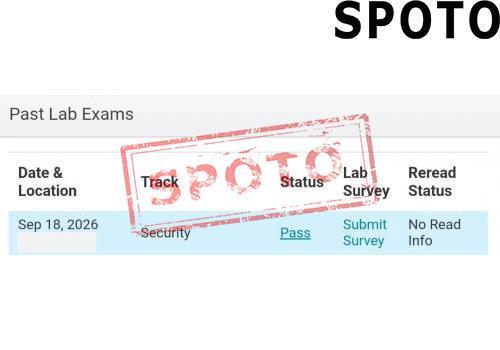
Latest Passing Reports from SPOTO Candidates
DC lab
SEC LAB
EI LAB
EI LAB
DC lab
EI LAB
dc lab
DClab
SEC LAB
DC LAB
Write a Reply or Comment
Don't Risk Your Certification Exam Success – Take Real Exam Questions
Eligible to sit for Exam? 100% Exam Pass GuaranteeEligible to sit for Exam? 100% Exam Pass Guarantee
SPOTO Ebooks
Recent Posts
Building the AI Factory: Is the NVIDIA NCA-AIIO Your Ticket into the Data Center?
Demystifying the Cloud Blueprint: How to Pass the AWS Solutions Architect Associate (SAA-C03) Exam in 2026
Beyond the Hype: Is the CCNP Still Worth Pursuing in 2026?
Scraping Past the Hype: What It Really Takes to Pass the NVIDIA NCA-GENL Exam
Is the CCNA outdated? The Real Truth About Choosing Your Networking Path in 2026
Details Determine Success or Failure: The Brutal Truth About Passing the NVIDIA NCP-AIN Certification Exam
Privacy by Design Certifications: An Overview of the Modern ISACA CDPSE Certification
Why ISACA CGEIT is the Ultimate Executive Milestone?
Why CRISC is the Smartest Tech Bet in 2026?
The Ultimate Guide to CCIE Data Center Lab Preparation: Pass on the First Attempt
Excellent
5.0
Based on 5236 reviews
Request more information
I would like to receive email communications about product & offerings from SPOTO & its Affiliates.
I understand I can unsubscribe at any time.