
Latest Cisco, PMP, AWS, CompTIA, Microsoft Materials on SALE Get Now Get Now
Home/
Blog/
Elevating to Expert: A Strategic Blueprint for Mastering CCIE Enterprise Infrastructure v1.1
SPOTO 2 2026-05-09 09:58:19
Elevating to Expert: A Strategic Blueprint for Mastering CCIE Enterprise Infrastructure v1.1

The introduction of the CCIE Enterprise Infrastructure (EI) v1.1 lab on February 1, 2026, signals a transformative era for Cisco's flagship certification. This is not a minor iteration; it is a profound technical pivot.

By purging nearly a quarter of legacy "technical debt"—such as outdated routing protocols—Cisco has centered this exam on the software-defined, controller-orchestrated landscapes of modern business. While the 8-hour format remains, the path to victory has shifted from rapid-fire CLI typing to high-level architectural orchestration and API mastery.


1. Navigating the v1.1 Curriculum Revolution

Modernizing the Foundation (30%)

The "underlay" of the network has been streamlined. Candidates can step away from legacy features like VTP or BGP add-path to focus on robust campus resiliency.

Resilient Design: Expertise in Multichassis EtherChannel (MEC) is now mandatory for creating stable, loop-free environments.

Routing Logic: Success requires mastery over complex VRF-to-VRF leaking using Virtual Routing and Forwarding (VRF) Aware Software Infrastructure (VASI) and sophisticated route-map filtering.

IPv6 Standards: With industry trends moving toward IPv6-only cores, full-scale OSPFv3 implementation has become a high-priority exam pillar.

The Software-Defined Ecosystem (25%)

This domain represents the intelligence of the modern network. The v1.1 update re-centers SD-Access and SD-WAN around lifecycle management rather than isolated configurations.

SD-Access: Candidates must manage the full fabric lifecycle, from underlay/overlay initialization to automated provisioning. New focus areas include "Fabric in a Box" (FiaB) for optimized branch deployments and using DNA Center Assurance to transform telemetry data into actionable troubleshooting insights.

SD-WAN: The exam now tests "cloud-edge" readiness. Expect to integrate fabrics with major cloud providers (AWS, Azure, GCP), requiring an intimate understanding of OMP path selection and centralized policy orchestration.

The Shift to Programmatic Logic (20%)

In the v1.1 era, the CLI has been relegated to a secondary role.

Dynamic Templates: Candidates must demonstrate proficiency with Jinja2 templates and YAML data models to deploy configurations at scale.

API Fluency: Direct interaction with vManage and DNA Center Northbound APIs is essential. You must use Python and Postman not just for deployment, but for health verification and automated fault remediation.


2. The Version Compliance Mandate

Achieving technical accuracy requires your practice environment to mirror the exam’s specific software stack. Deviation is the primary cause of lab failure. The v1.1 standard is locked to:

IOS XE: 17.9

SD-WAN: 20.9

DNA Center: 2.3

Practicing on older or newer versions can be fatal, as API endpoint changes or command syntax variations between releases will lead to invalid configurations during the actual test.


3. An Actionable 16-Week Mastery Timeline

Weeks 1–3: Audit & Infrastructure Setup

Begin with a rigorous audit of the v1.1 blueprint to pinpoint your weaknesses. Build your virtual lab using Cisco Modeling Labs (CML 2.0+) and leverage Cisco DevNet Sandboxes for hands-on controller access. Synchronize your development tools (VS Code, Python, Git) to the official exam versions immediately.

Weeks 4–10: Integration & Advanced Engineering

Move from static labs to integrated scenarios. Develop a Systematic Troubleshooting Protocol: analyze API return codes (2xx vs 4xx/5xx), parse system logs, and validate data-plane reachability. Maintain a "Mistake Journal" to document every configuration error and its corresponding fix.

Weeks 11–14: High-Fidelity Mock Exams

Engage in full 8-hour simulations to build endurance. Use the Design Module to practice creating professional-grade network diagrams and architectural justifications. In the Practical Module, sharpen your "muscle memory" for the DNA Center GUI and script execution under intense time constraints.

Weeks 15–16: Specialized Polishing

Dedicate these final days to your most difficult tasks. Whether it’s Terraform state management or complex Jinja2 loops, drill until the logic is second nature. Finalize your "Quick-Reference Manual" for core API endpoints and verification commands to minimize documentation searches during the exam.


4. Key Performance Tactics for Success

Design is the gateway: The Design section accounts for 30% of your score. Treat your design output as a professional consultancy deliverable; logical IP planning and clear segmentation are critical.

API-First Strategy: Whenever a task can be handled via the Controller GUI or an API, choose that route. Automated grading systems are designed to check the controller’s synchronized state, not just local CLI entries.

Logical Diagnostics: Abandon "trial and error." Follow a strict diagnostic sequence: verify underlay reachability, check control-plane adjacency, examine API responses, and then confirm data-plane traffic.

Documentation Speed-Reading: You will have access to Cisco documentation during the test. Do not try to memorize everything; instead, practice locating specific configuration parameters within the online library in 30 seconds or less.


Summary: The CCIE Enterprise Infrastructure v1.1 is more than a test of technical skill—it is a validation of your ability to orchestrate complex digital systems. By transitioning from a protocol-focused technician to a policy-driven architect, you position yourself at the forefront of the SDN revolution.

SPOTO is your partner in this evolution. We provide a synchronized, version-correct learning ecosystem that ensures your preparation is always aligned with the latest Cisco requirements. We move beyond rote learning to help you master the architectural logic that defines a true expert. Partner with SPOTO to secure your CCIE status and lead the future of enterprise networking.
 

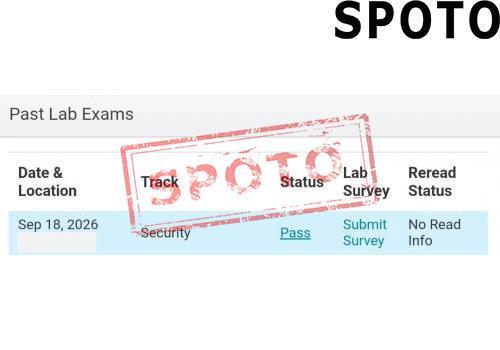
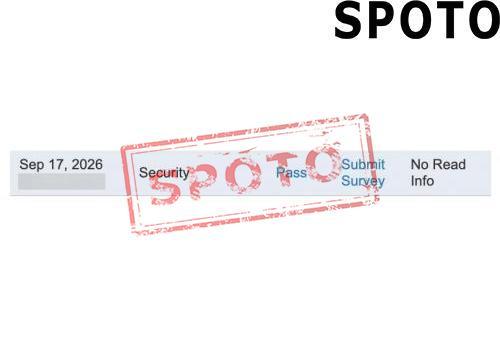
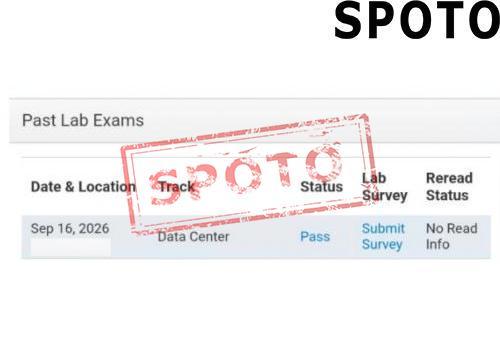
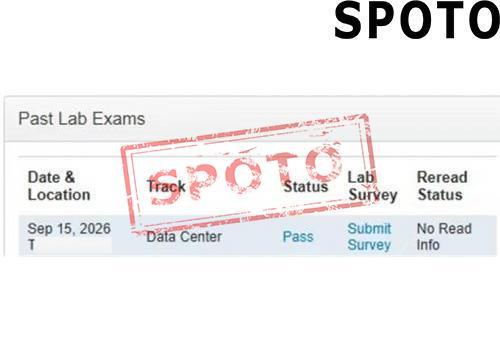
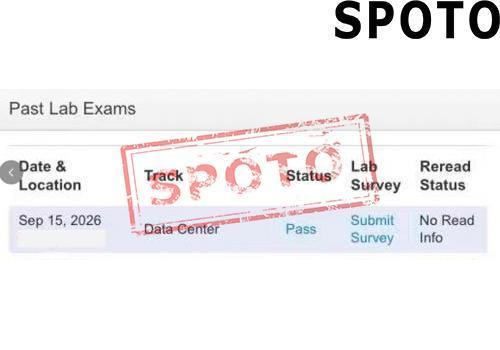
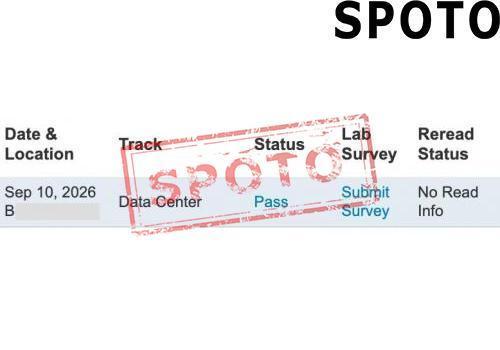
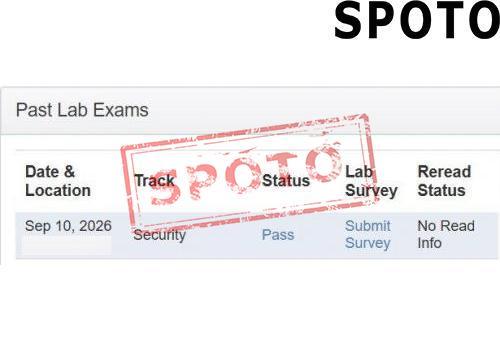
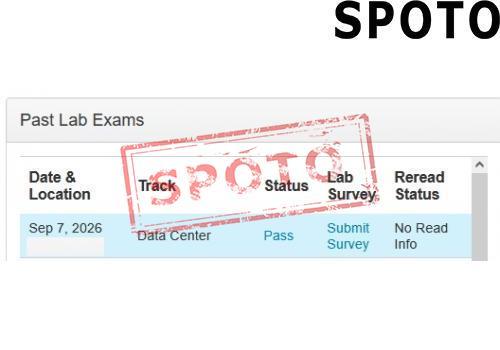
Latest Passing Reports from SPOTO Candidates
DC lab

DC lab

SEC LAB

SEC LAB

EI LAB

EI LAB

EI LAB

EI LAB

DC lab

DC lab

EI LAB

EI LAB

dc lab

dc lab

DClab

DClab

SEC LAB

SEC LAB

DC LAB

DC LAB

Write a Reply or Comment
Home/Blog/Elevating to Expert: A Strategic Blueprint for Mastering CCIE Enterprise Infrastructure v1.1
Elevating to Expert: A Strategic Blueprint for Mastering CCIE Enterprise Infrastructure v1.1
SPOTO 2 2026-05-09 09:58:19
Elevating to Expert: A Strategic Blueprint for Mastering CCIE Enterprise Infrastructure v1.1

The introduction of the CCIE Enterprise Infrastructure (EI) v1.1 lab on February 1, 2026, signals a transformative era for Cisco's flagship certification. This is not a minor iteration; it is a profound technical pivot.

By purging nearly a quarter of legacy "technical debt"—such as outdated routing protocols—Cisco has centered this exam on the software-defined, controller-orchestrated landscapes of modern business. While the 8-hour format remains, the path to victory has shifted from rapid-fire CLI typing to high-level architectural orchestration and API mastery.


1. Navigating the v1.1 Curriculum Revolution

Modernizing the Foundation (30%)

The "underlay" of the network has been streamlined. Candidates can step away from legacy features like VTP or BGP add-path to focus on robust campus resiliency.

Resilient Design: Expertise in Multichassis EtherChannel (MEC) is now mandatory for creating stable, loop-free environments.

Routing Logic: Success requires mastery over complex VRF-to-VRF leaking using Virtual Routing and Forwarding (VRF) Aware Software Infrastructure (VASI) and sophisticated route-map filtering.

IPv6 Standards: With industry trends moving toward IPv6-only cores, full-scale OSPFv3 implementation has become a high-priority exam pillar.

The Software-Defined Ecosystem (25%)

This domain represents the intelligence of the modern network. The v1.1 update re-centers SD-Access and SD-WAN around lifecycle management rather than isolated configurations.

SD-Access: Candidates must manage the full fabric lifecycle, from underlay/overlay initialization to automated provisioning. New focus areas include "Fabric in a Box" (FiaB) for optimized branch deployments and using DNA Center Assurance to transform telemetry data into actionable troubleshooting insights.

SD-WAN: The exam now tests "cloud-edge" readiness. Expect to integrate fabrics with major cloud providers (AWS, Azure, GCP), requiring an intimate understanding of OMP path selection and centralized policy orchestration.

The Shift to Programmatic Logic (20%)

In the v1.1 era, the CLI has been relegated to a secondary role.

Dynamic Templates: Candidates must demonstrate proficiency with Jinja2 templates and YAML data models to deploy configurations at scale.

API Fluency: Direct interaction with vManage and DNA Center Northbound APIs is essential. You must use Python and Postman not just for deployment, but for health verification and automated fault remediation.


2. The Version Compliance Mandate

Achieving technical accuracy requires your practice environment to mirror the exam’s specific software stack. Deviation is the primary cause of lab failure. The v1.1 standard is locked to:

IOS XE: 17.9

SD-WAN: 20.9

DNA Center: 2.3

Practicing on older or newer versions can be fatal, as API endpoint changes or command syntax variations between releases will lead to invalid configurations during the actual test.


3. An Actionable 16-Week Mastery Timeline

Weeks 1–3: Audit & Infrastructure Setup

Begin with a rigorous audit of the v1.1 blueprint to pinpoint your weaknesses. Build your virtual lab using Cisco Modeling Labs (CML 2.0+) and leverage Cisco DevNet Sandboxes for hands-on controller access. Synchronize your development tools (VS Code, Python, Git) to the official exam versions immediately.

Weeks 4–10: Integration & Advanced Engineering

Move from static labs to integrated scenarios. Develop a Systematic Troubleshooting Protocol: analyze API return codes (2xx vs 4xx/5xx), parse system logs, and validate data-plane reachability. Maintain a "Mistake Journal" to document every configuration error and its corresponding fix.

Weeks 11–14: High-Fidelity Mock Exams

Engage in full 8-hour simulations to build endurance. Use the Design Module to practice creating professional-grade network diagrams and architectural justifications. In the Practical Module, sharpen your "muscle memory" for the DNA Center GUI and script execution under intense time constraints.

Weeks 15–16: Specialized Polishing

Dedicate these final days to your most difficult tasks. Whether it’s Terraform state management or complex Jinja2 loops, drill until the logic is second nature. Finalize your "Quick-Reference Manual" for core API endpoints and verification commands to minimize documentation searches during the exam.


4. Key Performance Tactics for Success

Design is the gateway: The Design section accounts for 30% of your score. Treat your design output as a professional consultancy deliverable; logical IP planning and clear segmentation are critical.

API-First Strategy: Whenever a task can be handled via the Controller GUI or an API, choose that route. Automated grading systems are designed to check the controller’s synchronized state, not just local CLI entries.

Logical Diagnostics: Abandon "trial and error." Follow a strict diagnostic sequence: verify underlay reachability, check control-plane adjacency, examine API responses, and then confirm data-plane traffic.

Documentation Speed-Reading: You will have access to Cisco documentation during the test. Do not try to memorize everything; instead, practice locating specific configuration parameters within the online library in 30 seconds or less.


Summary: The CCIE Enterprise Infrastructure v1.1 is more than a test of technical skill—it is a validation of your ability to orchestrate complex digital systems. By transitioning from a protocol-focused technician to a policy-driven architect, you position yourself at the forefront of the SDN revolution.

SPOTO is your partner in this evolution. We provide a synchronized, version-correct learning ecosystem that ensures your preparation is always aligned with the latest Cisco requirements. We move beyond rote learning to help you master the architectural logic that defines a true expert. Partner with SPOTO to secure your CCIE status and lead the future of enterprise networking.
 

Latest Passing Reports from SPOTO Candidates
DC lab
SEC LAB
EI LAB
EI LAB
DC lab
EI LAB
dc lab
DClab
SEC LAB
DC LAB
Write a Reply or Comment
Don't Risk Your Certification Exam Success – Take Real Exam Questions
Eligible to sit for Exam? 100% Exam Pass GuaranteeEligible to sit for Exam? 100% Exam Pass Guarantee
SPOTO Ebooks
Recent Posts
Building the AI Factory: Is the NVIDIA NCA-AIIO Your Ticket into the Data Center?
Demystifying the Cloud Blueprint: How to Pass the AWS Solutions Architect Associate (SAA-C03) Exam in 2026
Beyond the Hype: Is the CCNP Still Worth Pursuing in 2026?
Scraping Past the Hype: What It Really Takes to Pass the NVIDIA NCA-GENL Exam
Is the CCNA outdated? The Real Truth About Choosing Your Networking Path in 2026
Details Determine Success or Failure: The Brutal Truth About Passing the NVIDIA NCP-AIN Certification Exam
Privacy by Design Certifications: An Overview of the Modern ISACA CDPSE Certification
Why ISACA CGEIT is the Ultimate Executive Milestone?
Why CRISC is the Smartest Tech Bet in 2026?
The Ultimate Guide to CCIE Data Center Lab Preparation: Pass on the First Attempt
Excellent
5.0
Based on 5236 reviews
Request more information
I would like to receive email communications about product & offerings from SPOTO & its Affiliates.
I understand I can unsubscribe at any time.