Latest Cisco, PMP, AWS, CompTIA, Microsoft Materials on SALE Get Now Get Now
Home/
Blog/
Is CCNP Harder Than CCNA?
circle 2025-01-13 09:58:37
Is CCNP Harder Than CCNA?

When considering Cisco certifications, the Cisco Certified Network Associate (CCNA) is often viewed as the entry point, while the Cisco Certified Network Professional (CCNP) is a more advanced certification. Naturally, this raises the question: is CCNP harder than CCNA? The short answer is yes. However, the degree of difficulty depends on your background, experience, and preparation strategy.

Let's explore the differences, challenges, and strategies for tackling CCNP, and why it's considered more demanding than CCNA.

Differences Between CCNA and CCNP

1. Depth of Knowledge

  • CCNA: The CCNA covers fundamental networking concepts like IP addressing, routing, switching basics, and network security. It's designed to build a strong foundation for those new to networking.
  • CCNP: The CCNP dives deeper into advanced topics such as enterprise networking, troubleshooting, advanced routing protocols, and security. It also introduces specialized domains like SDN (Software-Defined Networking) and automation.


2. Exam Structure

  • CCNA: Requires passing a single exam that covers a broad range of introductory topics.
  • CCNP: Requires passing two exams—one core exam and one concentration exam. The core exam tests fundamental enterprise networking concepts, while the concentration exam focuses on a specific area, such as security, automation, or advanced routing.


3. Hands-On Requirements

  • CCNA: Practical knowledge is tested but in simpler scenarios, such as basic configurations and troubleshooting.
  • CCNP: Practical skills are heavily emphasized, requiring candidates to demonstrate their ability to configure, troubleshoot, and optimize complex network environments.


4. Experience Level

  • CCNA: Geared toward beginners with little to no networking experience.
  • CCNP: Targets professionals with at least 1-3 years of networking experience, making it inherently more challenging for those new to the field.


Why Is CCNP Harder?

1. Advanced Topics

CCNP covers intricate topics like:

  • Redistribution of routing protocols.
  • Advanced troubleshooting for both Layer 2 and Layer 3 networks.
  • VPN configuration and security principles.
  • Automation using Python and APIs.


The depth and complexity of these topics require significant study and hands-on practice.

2. Higher Standards for Problem-Solving

While CCNA focuses on understanding and implementing basic solutions, CCNP demands the ability to troubleshoot and optimize complex network issues. You'll need to understand how different technologies interact and how to resolve conflicts in large-scale environments.

3. Specialization

CCNP requires choosing a concentration exam, such as:

  • Enterprise Advanced Routing and Services.
  • Security.
  • Collaboration.
  • Data Center.
  • Automation and DevOps.


Each specialization has its own set of challenges, requiring a deeper understanding of the chosen domain.

How to Prepare for CCNP

1. Build a Strong Foundation with CCNA

A solid grasp of CCNA-level concepts is essential for success in CCNP. Without this foundation, the advanced topics can feel overwhelming.

2. Embrace Hands-On Practice

Practical skills are vital for CCNP. Use tools like Cisco Packet Tracer, GNS3, or even real lab equipment to practice configurations, troubleshoot scenarios, and simulate real-world challenges.

3. Invest in Quality Study Materials

  • Cisco's official guides and documentation.
  • Video courses from platforms like CBT Nuggets or INE.
  • Practice exams from trusted providers like SPOTO.


4. Join Networking Communities

Collaborate with peers and professionals through forums like the Cisco Learning Network, Reddit's r/ccnp, or local study groups. Sharing insights and troubleshooting together can significantly enhance your understanding.

5. Time Management

Create a structured study schedule that allocates time to theory, hands-on practice, and review. Focus more on weak areas and track your progress regularly.

Who Finds CCNP Easier?

For individuals with prior networking experience, especially those who have worked in roles like network administrators or engineers, CCNP might not feel overwhelmingly difficult. Their practical exposure gives them an edge in understanding complex scenarios.

On the other hand, those transitioning from CCNA with little to no hands-on experience may find the jump to CCNP challenging.

Conclusion: Is CCNP Worth the Effort?

While CCNP is undoubtedly harder than CCNA, the challenges are manageable with the right preparation. The certification is highly respected in the networking field and opens doors to advanced roles such as network engineer, network architect, or security specialist.

By dedicating time to mastering the advanced topics, embracing hands-on practice, and leveraging quality resources, you can conquer CCNP and significantly boost your career prospects.
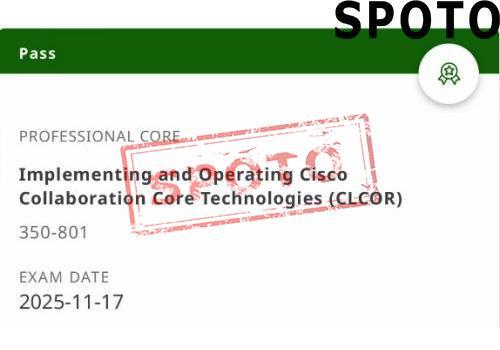

Latest Passing Reports from SPOTO Candidates
350-601

350-601

300-615

300-615

350-401-P

350-401-P

350-401-P

350-401-P

300-510

300-510

300-620

300-620

350-601

350-601

300-815

300-815

300-710

300-710

350-401-P

350-401-P

Write a Reply or Comment
Home/Blog/Is CCNP Harder Than CCNA?
Is CCNP Harder Than CCNA?
circle 2025-01-13 09:58:37
Is CCNP Harder Than CCNA?

When considering Cisco certifications, the Cisco Certified Network Associate (CCNA) is often viewed as the entry point, while the Cisco Certified Network Professional (CCNP) is a more advanced certification. Naturally, this raises the question: is CCNP harder than CCNA? The short answer is yes. However, the degree of difficulty depends on your background, experience, and preparation strategy.

Let's explore the differences, challenges, and strategies for tackling CCNP, and why it's considered more demanding than CCNA.

Differences Between CCNA and CCNP

1. Depth of Knowledge

  • CCNA: The CCNA covers fundamental networking concepts like IP addressing, routing, switching basics, and network security. It's designed to build a strong foundation for those new to networking.
  • CCNP: The CCNP dives deeper into advanced topics such as enterprise networking, troubleshooting, advanced routing protocols, and security. It also introduces specialized domains like SDN (Software-Defined Networking) and automation.


2. Exam Structure

  • CCNA: Requires passing a single exam that covers a broad range of introductory topics.
  • CCNP: Requires passing two exams—one core exam and one concentration exam. The core exam tests fundamental enterprise networking concepts, while the concentration exam focuses on a specific area, such as security, automation, or advanced routing.


3. Hands-On Requirements

  • CCNA: Practical knowledge is tested but in simpler scenarios, such as basic configurations and troubleshooting.
  • CCNP: Practical skills are heavily emphasized, requiring candidates to demonstrate their ability to configure, troubleshoot, and optimize complex network environments.


4. Experience Level

  • CCNA: Geared toward beginners with little to no networking experience.
  • CCNP: Targets professionals with at least 1-3 years of networking experience, making it inherently more challenging for those new to the field.


Why Is CCNP Harder?

1. Advanced Topics

CCNP covers intricate topics like:

  • Redistribution of routing protocols.
  • Advanced troubleshooting for both Layer 2 and Layer 3 networks.
  • VPN configuration and security principles.
  • Automation using Python and APIs.


The depth and complexity of these topics require significant study and hands-on practice.

2. Higher Standards for Problem-Solving

While CCNA focuses on understanding and implementing basic solutions, CCNP demands the ability to troubleshoot and optimize complex network issues. You'll need to understand how different technologies interact and how to resolve conflicts in large-scale environments.

3. Specialization

CCNP requires choosing a concentration exam, such as:

  • Enterprise Advanced Routing and Services.
  • Security.
  • Collaboration.
  • Data Center.
  • Automation and DevOps.


Each specialization has its own set of challenges, requiring a deeper understanding of the chosen domain.

How to Prepare for CCNP

1. Build a Strong Foundation with CCNA

A solid grasp of CCNA-level concepts is essential for success in CCNP. Without this foundation, the advanced topics can feel overwhelming.

2. Embrace Hands-On Practice

Practical skills are vital for CCNP. Use tools like Cisco Packet Tracer, GNS3, or even real lab equipment to practice configurations, troubleshoot scenarios, and simulate real-world challenges.

3. Invest in Quality Study Materials

  • Cisco's official guides and documentation.
  • Video courses from platforms like CBT Nuggets or INE.
  • Practice exams from trusted providers like SPOTO.


4. Join Networking Communities

Collaborate with peers and professionals through forums like the Cisco Learning Network, Reddit's r/ccnp, or local study groups. Sharing insights and troubleshooting together can significantly enhance your understanding.

5. Time Management

Create a structured study schedule that allocates time to theory, hands-on practice, and review. Focus more on weak areas and track your progress regularly.

Who Finds CCNP Easier?

For individuals with prior networking experience, especially those who have worked in roles like network administrators or engineers, CCNP might not feel overwhelmingly difficult. Their practical exposure gives them an edge in understanding complex scenarios.

On the other hand, those transitioning from CCNA with little to no hands-on experience may find the jump to CCNP challenging.

Conclusion: Is CCNP Worth the Effort?

While CCNP is undoubtedly harder than CCNA, the challenges are manageable with the right preparation. The certification is highly respected in the networking field and opens doors to advanced roles such as network engineer, network architect, or security specialist.

By dedicating time to mastering the advanced topics, embracing hands-on practice, and leveraging quality resources, you can conquer CCNP and significantly boost your career prospects.
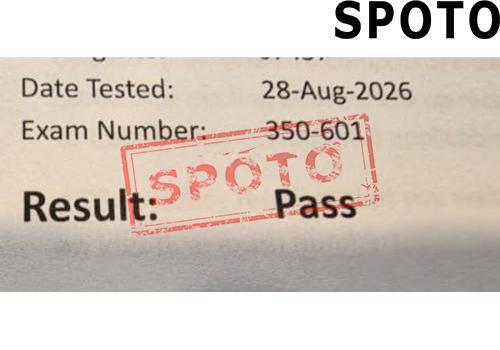
Latest Passing Reports from SPOTO Candidates
350-601
300-615
350-401-P
350-401-P
300-510
300-620
350-601
300-815
300-710
350-401-P
Write a Reply or Comment
Don't Risk Your Certification Exam Success – Take Real Exam Questions
Eligible to sit for Exam? 100% Exam Pass GuaranteeEligible to sit for Exam? 100% Exam Pass Guarantee
SPOTO Ebooks
Recent Posts
Building the AI Factory: Is the NVIDIA NCA-AIIO Your Ticket into the Data Center?
Demystifying the Cloud Blueprint: How to Pass the AWS Solutions Architect Associate (SAA-C03) Exam in 2026
Beyond the Hype: Is the CCNP Still Worth Pursuing in 2026?
Scraping Past the Hype: What It Really Takes to Pass the NVIDIA NCA-GENL Exam
Is the CCNA outdated? The Real Truth About Choosing Your Networking Path in 2026
Details Determine Success or Failure: The Brutal Truth About Passing the NVIDIA NCP-AIN Certification Exam
Privacy by Design Certifications: An Overview of the Modern ISACA CDPSE Certification
Why ISACA CGEIT is the Ultimate Executive Milestone?
Why CRISC is the Smartest Tech Bet in 2026?
The Ultimate Guide to CCIE Data Center Lab Preparation: Pass on the First Attempt
Excellent
5.0
Based on 5236 reviews
Request more information
I would like to receive email communications about product & offerings from SPOTO & its Affiliates.
I understand I can unsubscribe at any time.