Latest Cisco, PMP, AWS, CompTIA, Microsoft Materials on SALE Get Now Get Now
Home/
Blog/
Master the CCIE Enterprise Infrastructure (v1.1) Lab: A Strategic Guide to Architectural Transformation
SPOTO 2 2026-04-29 11:51:22
Master the CCIE Enterprise Infrastructure (v1.1) Lab: A Strategic Guide to Architectural Transformation

The global rollout of the CCIE Enterprise Infrastructure (EI) Lab v1.1 on February 1, 2026, marks a pivotal moment for network professionals. This update is a refined calibration of the certification—trimming away approximately 20% of legacy routing and switching "technical debt" in favor of an intense focus on Software-Defined Networking (SDN) and automated service delivery.

The exam retains its rigorous 8-hour structure, but the content reflects the modern reality of the enterprise network: an ecosystem managed by controllers, APIs, and code.
 

1. The v1.1 Exam Paradigm Shift

Refined Infrastructure (30%)
Cisco has aggressively pruned the blueprint. You no longer need to prepare for VTP, OSPFv2 LFA, or legacy BGP add-path features. The focus has sharpened on high-availability design through Multichassis EtherChannel (MEC), sophisticated VRF-to-VRF route leaking (leveraging VASI interfaces), and full-scale OSPFv3 deployment to support modern IPv6 enterprise environments.

Software-Defined Dominance (25%)
This is the heart of the exam. The SD-Access and SD-WAN modules have been completely re-architected to mirror modern production deployments.

SD-Access: You will navigate a six-phase lifecycle covering Underlay/Overlay design, fabric deployment, border switching, and segmentation. Key additions include "Fabric in a box" for branch optimization and a heavy emphasis on 360-degree Assurance—testing your ability to interpret network health telemetry and resolve endpoint connectivity issues.
SD-WAN: The scope now extends to cloud-integrated architectures (AWS/Azure/GCP). You must demonstrate mastery over advanced OMP path control and complex policy classification, differentiating clearly between centralized orchestration and localized enforcement.

Automation & Programmability (20%)
Manual CLI entry is now the exception, not the rule. Success depends on your ability to replace static configuration with dynamic Jinja2 templates and YAML data models. Proficiency with the vManage and DNA Center API sets is mandatory, as you will be expected to use Python and Postman to facilitate monitoring, configuration, and automated fault resolution.
 

2. Crucial Version & Environment Alignment

Your preparation environment is not a suggestion—it is a requirement. The exam is locked to IOS XE 17.9, SD-WAN 20.9, and DNA Center 2.3. Any deviation from these versions during your lab practice will inevitably lead to "command not found" errors or feature discrepancies that will invalidate your configurations in the live exam.
 

3. The 16-Week Mastery Roadmap

Weeks 1–3: The Architect's Foundation. Start by mapping the new blueprint against your current skill set. Secure access to the Cisco DevNet Sandbox and CML 2.0+, ensuring you have a sandbox environment for DNA Center and SD-WAN that mirrors the exam's software versions.
Weeks 4–10: The Implementation Phase. This is where you build your competence. Move beyond basic lab setups. Standardize your troubleshooting process—follow the "Log → API Return Code → Configuration Comparison → Verification" workflow. Document your failures meticulously; your personal troubleshooting guide will be your most valuable asset during the final sprint.
Weeks 11–14: High-Stakes Simulation. Shift into a rigorous mock-exam cadence. Dedicate full 8-hour blocks to replicate the pressure of the testing center. Use this time to refine the Design module's documentation; ensure your diagrams and architectural justifications are precise, as they contribute significantly to your final score.
Weeks 15–16: Precision Polishing. Focus on your weaknesses. If Terraform modules or Jinja2 logic give you trouble, dedicate these final days to deep-dive practice. Refine your "Cheat Sheet" of API endpoints and core command references.
 

4. Professional Exam Tactics

Design Excellence: The Design module is 30% of your total score. Professionalism in your documentation, logical network segmentation, and clear IP planning are non-negotiable.

 API-Centric Mindset: If the lab offers an API interface for a task, use it. CLI interaction is often bypass-scored or ignored entirely in automated evaluation scripts.

Standardized Diagnostics: Never troubleshoot randomly. By following a rigid diagnostic methodology, you keep your composure when a controller policy fails to push or an endpoint refuses to register.

Document Accessibility: You have access to the Cisco documentation library. Instead of memorizing every minor parameter, train yourself to search, locate, and interpret official documentation within a 30-second window.


Summary: The CCIE EI v1.1 is more than a credential—it is a proof of your capability to manage the modern, automated enterprise. By shifting your focus from "protocol configuration" to "architectural orchestration," you move from being a technician to a specialist.

SPOTO is your partner in this journey, providing a real-time, synchronized update system that ensures your study materials remain perfectly aligned with the latest Cisco blueprints. We strip away the rote memorization, focusing instead on deconstructing the underlying logic that defines an enterprise expert. Choose SPOTO to not only secure a first-attempt pass but to emerge as a genuine architect ready to lead in the age of software-defined networking.
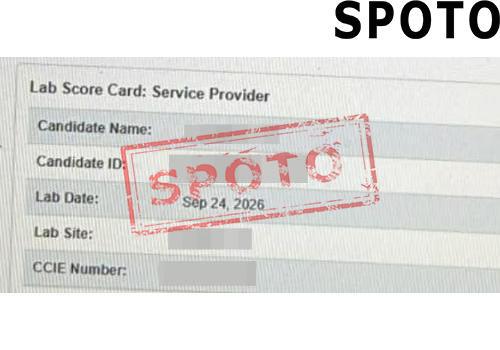
 

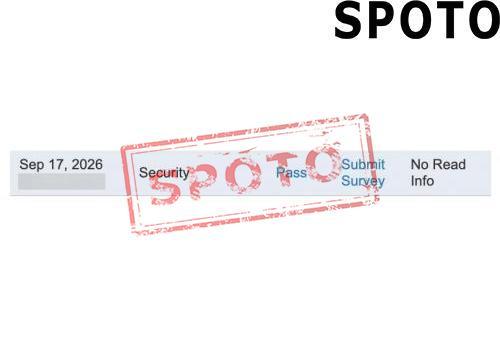
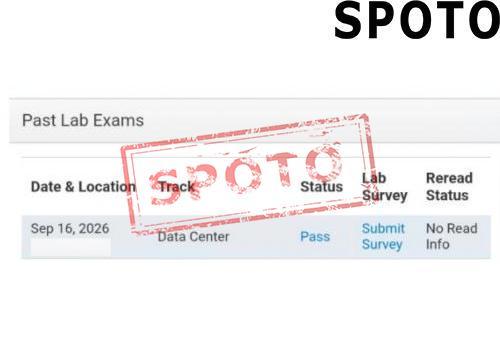
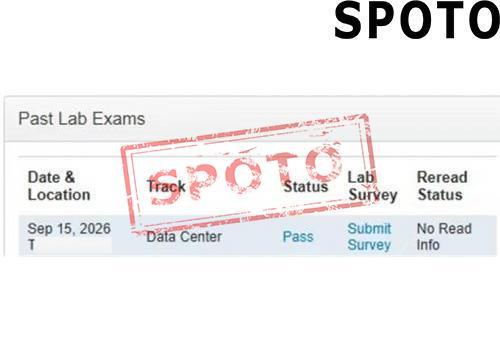
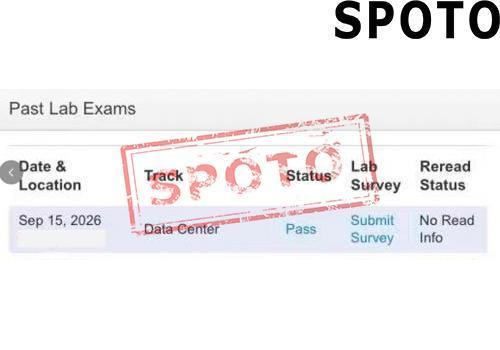
Latest Passing Reports from SPOTO Candidates
DC lab

DC lab

SEC LAB

SEC LAB

EI LAB

EI LAB

EI LAB

EI LAB

DC lab

DC lab

EI LAB

EI LAB

dc lab

dc lab

DClab

DClab

SEC LAB

SEC LAB

DC LAB

DC LAB

Write a Reply or Comment
Home/Blog/Master the CCIE Enterprise Infrastructure (v1.1) Lab: A Strategic Guide to Architectural Transformation
Master the CCIE Enterprise Infrastructure (v1.1) Lab: A Strategic Guide to Architectural Transformation
SPOTO 2 2026-04-29 11:51:22
Master the CCIE Enterprise Infrastructure (v1.1) Lab: A Strategic Guide to Architectural Transformation

The global rollout of the CCIE Enterprise Infrastructure (EI) Lab v1.1 on February 1, 2026, marks a pivotal moment for network professionals. This update is a refined calibration of the certification—trimming away approximately 20% of legacy routing and switching "technical debt" in favor of an intense focus on Software-Defined Networking (SDN) and automated service delivery.

The exam retains its rigorous 8-hour structure, but the content reflects the modern reality of the enterprise network: an ecosystem managed by controllers, APIs, and code.
 

1. The v1.1 Exam Paradigm Shift

Refined Infrastructure (30%)
Cisco has aggressively pruned the blueprint. You no longer need to prepare for VTP, OSPFv2 LFA, or legacy BGP add-path features. The focus has sharpened on high-availability design through Multichassis EtherChannel (MEC), sophisticated VRF-to-VRF route leaking (leveraging VASI interfaces), and full-scale OSPFv3 deployment to support modern IPv6 enterprise environments.

Software-Defined Dominance (25%)
This is the heart of the exam. The SD-Access and SD-WAN modules have been completely re-architected to mirror modern production deployments.

SD-Access: You will navigate a six-phase lifecycle covering Underlay/Overlay design, fabric deployment, border switching, and segmentation. Key additions include "Fabric in a box" for branch optimization and a heavy emphasis on 360-degree Assurance—testing your ability to interpret network health telemetry and resolve endpoint connectivity issues.
SD-WAN: The scope now extends to cloud-integrated architectures (AWS/Azure/GCP). You must demonstrate mastery over advanced OMP path control and complex policy classification, differentiating clearly between centralized orchestration and localized enforcement.

Automation & Programmability (20%)
Manual CLI entry is now the exception, not the rule. Success depends on your ability to replace static configuration with dynamic Jinja2 templates and YAML data models. Proficiency with the vManage and DNA Center API sets is mandatory, as you will be expected to use Python and Postman to facilitate monitoring, configuration, and automated fault resolution.
 

2. Crucial Version & Environment Alignment

Your preparation environment is not a suggestion—it is a requirement. The exam is locked to IOS XE 17.9, SD-WAN 20.9, and DNA Center 2.3. Any deviation from these versions during your lab practice will inevitably lead to "command not found" errors or feature discrepancies that will invalidate your configurations in the live exam.
 

3. The 16-Week Mastery Roadmap

Weeks 1–3: The Architect's Foundation. Start by mapping the new blueprint against your current skill set. Secure access to the Cisco DevNet Sandbox and CML 2.0+, ensuring you have a sandbox environment for DNA Center and SD-WAN that mirrors the exam's software versions.
Weeks 4–10: The Implementation Phase. This is where you build your competence. Move beyond basic lab setups. Standardize your troubleshooting process—follow the "Log → API Return Code → Configuration Comparison → Verification" workflow. Document your failures meticulously; your personal troubleshooting guide will be your most valuable asset during the final sprint.
Weeks 11–14: High-Stakes Simulation. Shift into a rigorous mock-exam cadence. Dedicate full 8-hour blocks to replicate the pressure of the testing center. Use this time to refine the Design module's documentation; ensure your diagrams and architectural justifications are precise, as they contribute significantly to your final score.
Weeks 15–16: Precision Polishing. Focus on your weaknesses. If Terraform modules or Jinja2 logic give you trouble, dedicate these final days to deep-dive practice. Refine your "Cheat Sheet" of API endpoints and core command references.
 

4. Professional Exam Tactics

Design Excellence: The Design module is 30% of your total score. Professionalism in your documentation, logical network segmentation, and clear IP planning are non-negotiable.

 API-Centric Mindset: If the lab offers an API interface for a task, use it. CLI interaction is often bypass-scored or ignored entirely in automated evaluation scripts.

Standardized Diagnostics: Never troubleshoot randomly. By following a rigid diagnostic methodology, you keep your composure when a controller policy fails to push or an endpoint refuses to register.

Document Accessibility: You have access to the Cisco documentation library. Instead of memorizing every minor parameter, train yourself to search, locate, and interpret official documentation within a 30-second window.


Summary: The CCIE EI v1.1 is more than a credential—it is a proof of your capability to manage the modern, automated enterprise. By shifting your focus from "protocol configuration" to "architectural orchestration," you move from being a technician to a specialist.

SPOTO is your partner in this journey, providing a real-time, synchronized update system that ensures your study materials remain perfectly aligned with the latest Cisco blueprints. We strip away the rote memorization, focusing instead on deconstructing the underlying logic that defines an enterprise expert. Choose SPOTO to not only secure a first-attempt pass but to emerge as a genuine architect ready to lead in the age of software-defined networking.
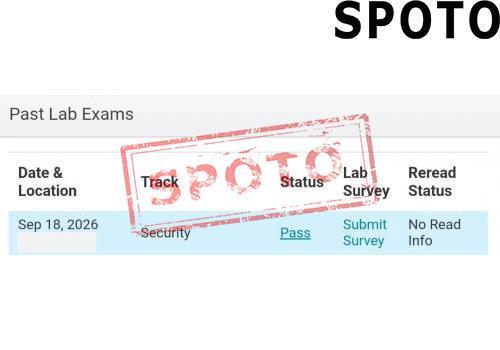
 

Latest Passing Reports from SPOTO Candidates
DC lab
SEC LAB
EI LAB
EI LAB
DC lab
EI LAB
dc lab
DClab
SEC LAB
DC LAB
Write a Reply or Comment
Don't Risk Your Certification Exam Success – Take Real Exam Questions
Eligible to sit for Exam? 100% Exam Pass GuaranteeEligible to sit for Exam? 100% Exam Pass Guarantee
SPOTO Ebooks
Recent Posts
Building the AI Factory: Is the NVIDIA NCA-AIIO Your Ticket into the Data Center?
Demystifying the Cloud Blueprint: How to Pass the AWS Solutions Architect Associate (SAA-C03) Exam in 2026
Beyond the Hype: Is the CCNP Still Worth Pursuing in 2026?
Scraping Past the Hype: What It Really Takes to Pass the NVIDIA NCA-GENL Exam
Is the CCNA outdated? The Real Truth About Choosing Your Networking Path in 2026
Details Determine Success or Failure: The Brutal Truth About Passing the NVIDIA NCP-AIN Certification Exam
Privacy by Design Certifications: An Overview of the Modern ISACA CDPSE Certification
Why ISACA CGEIT is the Ultimate Executive Milestone?
Why CRISC is the Smartest Tech Bet in 2026?
The Ultimate Guide to CCIE Data Center Lab Preparation: Pass on the First Attempt
Excellent
5.0
Based on 5236 reviews
Request more information
I would like to receive email communications about product & offerings from SPOTO & its Affiliates.
I understand I can unsubscribe at any time.