Latest Cisco, PMP, AWS, CompTIA, Microsoft Materials on SALE Get Now Get Now
Home/
Blog/
Mastering CCIE Automation v1.1: A 2026 Roadmap for Architectural Excellence
SPOTO 2 2026-04-29 12:03:15
Mastering CCIE Automation v1.1: A 2026 Roadmap for Architectural Excellence

Since the Cisco DevNet Expert certification transitioned into the CCIE Automation v1.1 track on February 3, 2026, it has solidified its position as the gold standard for network automation professionals. This evolution isn't merely a naming convention; it represents a fundamental alignment of automation within the elite CCIE ecosystem.

Although the foundational blueprint remains consistent, candidates must now demonstrate a sophisticated grasp of enterprise-grade architectural design, multi-platform orchestration, and seamless engineering delivery.


1. Navigating the v1.1 Exam Environment

The certification maintains its rigorous 8-hour, end-to-end laboratory structure, split between a 3-hour Design module and a 5-hour deployment and operations phase. The content has been recalibrated to reflect the modern industry preference for hybrid-cloud and cloud-native workflows.

The assessment is built on five equally weighted pillars: Software Design, Automation Programming, Infrastructure as Code (IaC), Network Security Automation, and Operations & Troubleshooting. The primary shift here is a move away from isolated, task-based scripting toward the delivery of holistic, high-availability architectural solutions.


2. Technology Evolution: The New Standards

To succeed, you must move beyond legacy manual configurations and embrace a controller-driven methodology.

Essential New Competencies
Hybrid Cloud Orchestration: Seamless integration between AWS/Azure and private data centers using Terraform’s multi-cloud provider support.

Controller API Mastery: In-depth interaction with DNA Center 2.3+, vManage 20.9+, and ACI 5.2+, emphasizing automated batch deployments and real-time state synchronization.

IaC and CI/CD: Advanced utilization of Ansible roles, remote Terraform state management (utilizing S3/Consul), and automated verification through pyATS.

Observability & Security: Implementing log aggregation via Prometheus and Grafana for telemetry-driven insights, alongside automated security measures like OWASP compliance and Tetration micro-segmentation.

Deprecated Topics
You may safely deprioritize older technologies, including Puppet, legacy Python 2.x scripts, traditional CLI-based automation, and outdated telemetry collection methods.

The Version Mandate
Your lab environment must mirror official specifications: Nexus OS 10.1, DNA Center 2.3, and SD-WAN 20.9. Deviating from these versions is a critical error; even minor software disparities can cause configuration failures that invalidate your entire lab attempt.


3. A 12–16 Week Path to Certification

Phase 1: Foundation (Weeks 1-3): Map the official blueprint against your current skills, specifically targeting hybrid-cloud design and controller APIs. Secure your practice environment by building local CML topologies or accessing the Cisco DevNet Sandbox.

Phase 2: Deep Proficiency (Weeks 4-10): Expand your coding expertise. Move past simple API calls to implement complex error handling, idempotency in batch tasks, and modular Ansible playbooks.

Phase 3: Simulation (Weeks 11-14): Mimic the high-pressure environment of the exam. Commit to weekly 8-hour full-scale simulations, strictly observing the 3-hour limit for your Design documents.

Phase 4: Sprint & Polish (Weeks 15-16): Consolidate your knowledge by compiling a personal troubleshooting guide tailored to API and Terraform failure modes.


4. Professional Exam Strategies

Architectural Focus: Since 30% of your score is derived from the Design module, prioritize precision in your diagrams, logical network planning, and clear technical documentation.

API-First Approach: Manual CLI inputs are largely ignored by automated scoring scripts. Treat the API interface as your primary configuration tool.

Standardized Diagnostics: Never troubleshoot randomly. Maintain a strict logical pipeline: Log Analysis → API Return Code Verification → Config Comparison → Traffic Validation.

Documentation Literacy: You will have access to official documentation during the exam. Practice navigating these resources under time pressure; aim to find specific API parameters within 30 seconds.


5. Why Partner with SPOTO?

If the breadth of the CCIE syllabus or frequent software updates leaves you feeling overwhelmed, SPOTO is your solution. We provide a real-time synchronization system that ensures your study materials are always perfectly aligned with the latest Cisco requirements.

Rather than relying on rote memorization, SPOTO is built to deconstruct the fundamental logic of enterprise networks. By joining us, you gain more than just study materials; you acquire the essential tools to secure a first-attempt pass and the deep architectural expertise required to lead in the modern networking landscape.

Ready to advance your career? Connect with a SPOTO advisor today for your custom study plan.
 

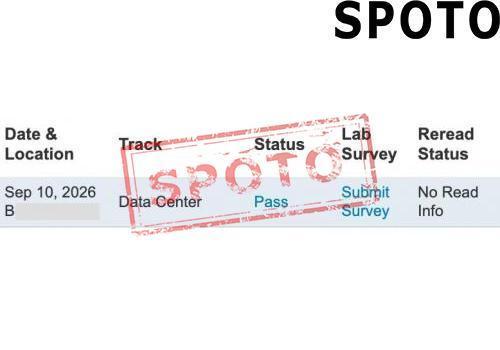
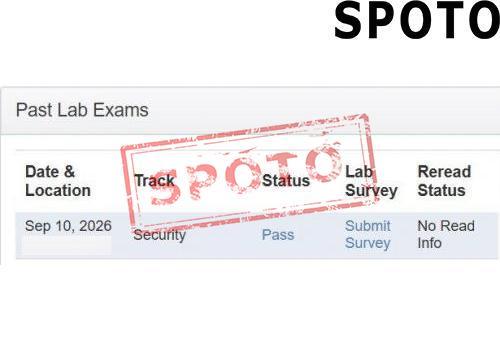
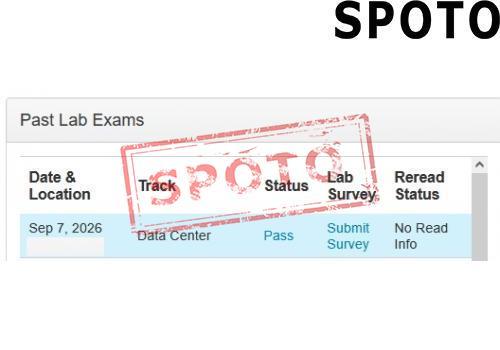
Latest Passing Reports from SPOTO Candidates
sec lab

sec lab

EI LAB

EI LAB

EI Lab

EI Lab

EI Lab

EI Lab

EI Lab

EI Lab

DC LAB

DC LAB

sec lab

sec lab

EI LAB

EI LAB

EI LAB

EI LAB

EI LAB

EI LAB

Write a Reply or Comment
Home/Blog/Mastering CCIE Automation v1.1: A 2026 Roadmap for Architectural Excellence
Mastering CCIE Automation v1.1: A 2026 Roadmap for Architectural Excellence
SPOTO 2 2026-04-29 12:03:15
Mastering CCIE Automation v1.1: A 2026 Roadmap for Architectural Excellence

Since the Cisco DevNet Expert certification transitioned into the CCIE Automation v1.1 track on February 3, 2026, it has solidified its position as the gold standard for network automation professionals. This evolution isn't merely a naming convention; it represents a fundamental alignment of automation within the elite CCIE ecosystem.

Although the foundational blueprint remains consistent, candidates must now demonstrate a sophisticated grasp of enterprise-grade architectural design, multi-platform orchestration, and seamless engineering delivery.


1. Navigating the v1.1 Exam Environment

The certification maintains its rigorous 8-hour, end-to-end laboratory structure, split between a 3-hour Design module and a 5-hour deployment and operations phase. The content has been recalibrated to reflect the modern industry preference for hybrid-cloud and cloud-native workflows.

The assessment is built on five equally weighted pillars: Software Design, Automation Programming, Infrastructure as Code (IaC), Network Security Automation, and Operations & Troubleshooting. The primary shift here is a move away from isolated, task-based scripting toward the delivery of holistic, high-availability architectural solutions.


2. Technology Evolution: The New Standards

To succeed, you must move beyond legacy manual configurations and embrace a controller-driven methodology.

Essential New Competencies
Hybrid Cloud Orchestration: Seamless integration between AWS/Azure and private data centers using Terraform’s multi-cloud provider support.

Controller API Mastery: In-depth interaction with DNA Center 2.3+, vManage 20.9+, and ACI 5.2+, emphasizing automated batch deployments and real-time state synchronization.

IaC and CI/CD: Advanced utilization of Ansible roles, remote Terraform state management (utilizing S3/Consul), and automated verification through pyATS.

Observability & Security: Implementing log aggregation via Prometheus and Grafana for telemetry-driven insights, alongside automated security measures like OWASP compliance and Tetration micro-segmentation.

Deprecated Topics
You may safely deprioritize older technologies, including Puppet, legacy Python 2.x scripts, traditional CLI-based automation, and outdated telemetry collection methods.

The Version Mandate
Your lab environment must mirror official specifications: Nexus OS 10.1, DNA Center 2.3, and SD-WAN 20.9. Deviating from these versions is a critical error; even minor software disparities can cause configuration failures that invalidate your entire lab attempt.


3. A 12–16 Week Path to Certification

Phase 1: Foundation (Weeks 1-3): Map the official blueprint against your current skills, specifically targeting hybrid-cloud design and controller APIs. Secure your practice environment by building local CML topologies or accessing the Cisco DevNet Sandbox.

Phase 2: Deep Proficiency (Weeks 4-10): Expand your coding expertise. Move past simple API calls to implement complex error handling, idempotency in batch tasks, and modular Ansible playbooks.

Phase 3: Simulation (Weeks 11-14): Mimic the high-pressure environment of the exam. Commit to weekly 8-hour full-scale simulations, strictly observing the 3-hour limit for your Design documents.

Phase 4: Sprint & Polish (Weeks 15-16): Consolidate your knowledge by compiling a personal troubleshooting guide tailored to API and Terraform failure modes.


4. Professional Exam Strategies

Architectural Focus: Since 30% of your score is derived from the Design module, prioritize precision in your diagrams, logical network planning, and clear technical documentation.

API-First Approach: Manual CLI inputs are largely ignored by automated scoring scripts. Treat the API interface as your primary configuration tool.

Standardized Diagnostics: Never troubleshoot randomly. Maintain a strict logical pipeline: Log Analysis → API Return Code Verification → Config Comparison → Traffic Validation.

Documentation Literacy: You will have access to official documentation during the exam. Practice navigating these resources under time pressure; aim to find specific API parameters within 30 seconds.


5. Why Partner with SPOTO?

If the breadth of the CCIE syllabus or frequent software updates leaves you feeling overwhelmed, SPOTO is your solution. We provide a real-time synchronization system that ensures your study materials are always perfectly aligned with the latest Cisco requirements.

Rather than relying on rote memorization, SPOTO is built to deconstruct the fundamental logic of enterprise networks. By joining us, you gain more than just study materials; you acquire the essential tools to secure a first-attempt pass and the deep architectural expertise required to lead in the modern networking landscape.

Ready to advance your career? Connect with a SPOTO advisor today for your custom study plan.
 

Latest Passing Reports from SPOTO Candidates
sec lab
EI LAB
EI Lab
EI Lab
EI Lab
DC LAB
sec lab
EI LAB
EI LAB
EI LAB
Write a Reply or Comment
Don't Risk Your Certification Exam Success – Take Real Exam Questions
Eligible to sit for Exam? 100% Exam Pass GuaranteeEligible to sit for Exam? 100% Exam Pass Guarantee
SPOTO Ebooks
Recent Posts
A Comprehensive Guide to CCIE Enterprise Infrastructure v1.1
Beyond the Script: Mastering the CCIE Automation v1.1 Lab (2026 Edition)
Navigating the Shift: A Comprehensive Guide to the CCIE Enterprise Infrastructure v1.1 Lab (2026 Update)
Master the Fabric: A Comprehensive Guide to the CCIE Data Center v3.1 (2026 Update)
Mastering the CCIE Automation v1.1: A Comprehensive 2026 Certification Blueprint
CCIE Automation v1.1 Core Essentials: The 2026 Mastery Framework
Elevating to Expert: A Strategic Blueprint for Mastering CCIE Enterprise Infrastructure v1.1
Mastering the CCIE Data Center v3.1: A Definitive 2026 Preparation Blueprint
CCIE Data Center v3.1 Mastery: A Definitive Guide to the 2026 Lab Transformation
Architecting the Future: An Advanced Blueprint for CCIE Enterprise Infrastructure (v1.1) Success
Excellent
5.0
Based on 5236 reviews
Request more information
I would like to receive email communications about product & offerings from SPOTO & its Affiliates.
I understand I can unsubscribe at any time.