Latest Cisco, PMP, AWS, CompTIA, Microsoft Materials on SALE Get Now Get Now
Home/
Blog/
Occupational Demystification: Transmission Engineer
SPOTO 2025-07-03 15:25:00
Occupational Demystification: Transmission Engineer

1. What is a Transmission Engineer?

Transmission engineer refers to the technical staff responsible for designing, testing and maintaining the transmission systems that deliver energy (including electricity, wind power, etc.) to specific customers, so as to ensure the smooth and stable transmission work.

Other job duties for a Transmission Engineer may include the following:

  • Design and analyze high-voltage transmission systems and components for stability and safety
  • Develop schematics and flow charts to protect and control transmission systems
  • Develop and maintain project schedules and budgets
  • Work with multidisciplinary teams to develop, test and implement specific transmission projects
  • Prepare technical reports and presentations for internal and external stakeholders
  • Maintain current industry standards, codes and regulations

2. How much does a Transmission Engineer Make?

According to statistics from the Zippia website, the average annual salary for transmission engineers in the United States is $91,215. The annual salary of a transmission engineer is usually between $64,000 and $129,000. The average hourly wage for a transmission engineer is $43.85, and the salary of a transmission engineer is affected by location, education, and experience. The average salary for transmission engineers is highest in California.

3. Similar Occupations of Transmission Engineer

  • Network Engineer
  • Broadcast Engineer
  • RF (Radio Frequency) Engineer
  • Satellite Engineer
  • Telecommunications Engineer
  • Microwave Engineer
  • Power Systems Engineer
  • Substation Engineer
  • Distribution Engineer
  • Electrical Design Engineer

4. What Are the Qualifications to Become a Transmission Engineer?

(1) Obtain a Bachelor's Degree

Transmission engineers often require job seekers to have a science and engineering education background. The most common transmission engineers in the electrical energy industry are required to have at least a bachelor's degree in electrical engineering, electronic engineering or a related major.

(2) Develop professional skills

Transmission Engineering Divisions often require proficiency in industry standard software such as PSS/E, PSLF and CYMCAP, as well as power system simulation software (e.g. PSS®E, PSCAD, ETAP), and the ability to use SCADA systems and automation.

(3) Earn Industry Certifications

Obtaining a certification that is highly recognized by the industry can prove your professional ability and ability to perform the position, and can also enhance your competitiveness in the workplace. Therefore, we recommend that you obtain the CCNP Service Provider certification. This certification can validate your expertise in implementing core service provider network technologies, including architecture, services, networking, automation, and more. Be the next choice for a tech role in service provider networks with a Cisco Certified Network Professional (CCNP) Service Provider certification.
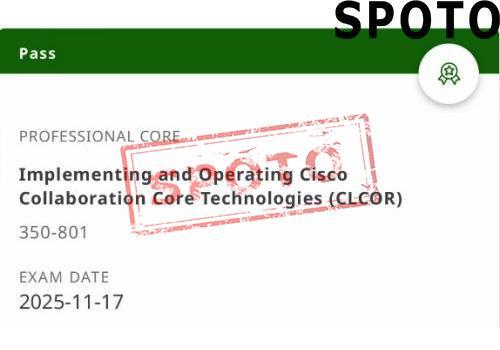
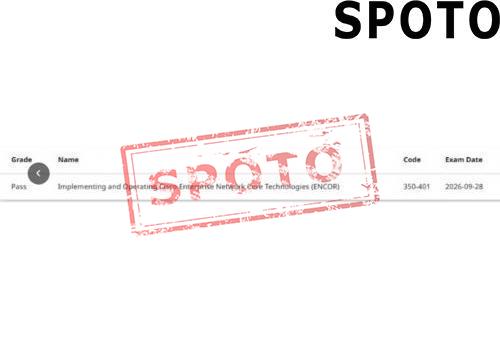
Latest Passing Reports from SPOTO Candidates
350-801-P

350-801-P

300-410-P

300-410-P

350-601

350-601

350-701-P

350-701-P

350-701

350-701

350-801-P

350-801-P

350-401

350-401

350-701-P

350-701-P

350-401-P

350-401-P

300-410

300-410

Write a Reply or Comment
Don't Risk Your Certification Exam Success – Take Real Exam Questions
Eligible to sit for Exam? 100% Exam Pass Guarantee
SPOTO Ebooks
Recent Posts
Excellent
5.0
Based on 5236 reviews
Request more information
I would like to receive email communications about product & offerings from SPOTO & its Affiliates.
I understand I can unsubscribe at any time.
Home/Blog/Occupational Demystification: Transmission Engineer
Occupational Demystification: Transmission Engineer
SPOTO 2025-07-03 15:25:00
Occupational Demystification: Transmission Engineer

1. What is a Transmission Engineer?

Transmission engineer refers to the technical staff responsible for designing, testing and maintaining the transmission systems that deliver energy (including electricity, wind power, etc.) to specific customers, so as to ensure the smooth and stable transmission work.

Other job duties for a Transmission Engineer may include the following:

  • Design and analyze high-voltage transmission systems and components for stability and safety
  • Develop schematics and flow charts to protect and control transmission systems
  • Develop and maintain project schedules and budgets
  • Work with multidisciplinary teams to develop, test and implement specific transmission projects
  • Prepare technical reports and presentations for internal and external stakeholders
  • Maintain current industry standards, codes and regulations

2. How much does a Transmission Engineer Make?

According to statistics from the Zippia website, the average annual salary for transmission engineers in the United States is $91,215. The annual salary of a transmission engineer is usually between $64,000 and $129,000. The average hourly wage for a transmission engineer is $43.85, and the salary of a transmission engineer is affected by location, education, and experience. The average salary for transmission engineers is highest in California.

3. Similar Occupations of Transmission Engineer

  • Network Engineer
  • Broadcast Engineer
  • RF (Radio Frequency) Engineer
  • Satellite Engineer
  • Telecommunications Engineer
  • Microwave Engineer
  • Power Systems Engineer
  • Substation Engineer
  • Distribution Engineer
  • Electrical Design Engineer

4. What Are the Qualifications to Become a Transmission Engineer?

(1) Obtain a Bachelor's Degree

Transmission engineers often require job seekers to have a science and engineering education background. The most common transmission engineers in the electrical energy industry are required to have at least a bachelor's degree in electrical engineering, electronic engineering or a related major.

(2) Develop professional skills

Transmission Engineering Divisions often require proficiency in industry standard software such as PSS/E, PSLF and CYMCAP, as well as power system simulation software (e.g. PSS®E, PSCAD, ETAP), and the ability to use SCADA systems and automation.

(3) Earn Industry Certifications

Obtaining a certification that is highly recognized by the industry can prove your professional ability and ability to perform the position, and can also enhance your competitiveness in the workplace. Therefore, we recommend that you obtain the CCNP Service Provider certification. This certification can validate your expertise in implementing core service provider network technologies, including architecture, services, networking, automation, and more. Be the next choice for a tech role in service provider networks with a Cisco Certified Network Professional (CCNP) Service Provider certification.

Latest Passing Reports from SPOTO Candidates
350-801-P
300-410-P
350-601
350-701-P
350-701
350-801-P
350-401
350-701-P
350-401-P
300-410
Write a Reply or Comment
Don't Risk Your Certification Exam Success – Take Real Exam Questions
Eligible to sit for Exam? 100% Exam Pass GuaranteeEligible to sit for Exam? 100% Exam Pass Guarantee
SPOTO Ebooks
Recent Posts
Cisco Automation Certification: Your Roadmap From Zero to Certified
Cisco REST API: A Practical Guide to Network Automation
Cisco HSRP Configuration: From First-Time Setup to Advanced Troubleshooting
MPLS LDP Neighbor Down: A Complete Troubleshooting Playbook
OSPF Stuck in EXSTART: Root Causes, Diagnosis, and the Fix
Advanced OSPF for the CCIE Lab: Multi-Area Design, Network Types, and Troubleshooting
Cisco Trunk Ports Explained: 802.1Q Mechanics, DTP Modes, and Troubleshooting
Advanced VLAN Configuration for the CCIE Lab: PVLANs, QinQ, VTPv3, and Troubleshooting
Master the Enterprise Network: A Ground-Level Guide to the CCNP 200-301 (350-401 ENCOR v1.2)
The Latest CCNA 2026 Exam Success Guide (What Real-World Network Engineers Need in 2026)
Excellent
5.0
Based on 5236 reviews
Request more information
I would like to receive email communications about product & offerings from SPOTO & its Affiliates.
I understand I can unsubscribe at any time.